
Which Australian city has the best startup ecosystem in 2026? Short version: Sydney’s still on top, but only just. Melbourne’s closing in faster than most people expected a year ago. Sydney keeps its spot as the strongest hub in the Australian startup ecosystem — Startup Genome puts it 26th globally, StartupBlink says 30th — riding a US$72 billion ecosystem value and its usual fintech, AI and SaaS strength. Melbourne, though, had the better year, jumping eight spots to 34th on StartupBlink’s index, with deep tech and biotech doing most of the heavy lifting. Between them, Sydney and Melbourne startups are still what’s pulling the wider startup ecosystem Australia has built back into the world’s top 10 — for the first time in three years, no less.
Three years of sliding down the global rankings, and then this. StartupBlink’s Global Startup Ecosystem Index 2026 has Australia jumping from 12th to 9th — the biggest single-year climb of any country in the top 15. Not bad for an economy that spent most of the last decade being told it was punching below its weight. A few numbers worth sitting with:
- Ecosystem growth hit 22.9% this year — more than double the 10.3% global average.
- Australia ranked 5th in the world for return on investment, and 6th for overall attractiveness to founders and capital.
- Local Australian startups pulled in roughly AUD $5.48 billion across 390 deals in 2025 alone — a 31% jump on the year before, and the third-biggest funding year Australia’s ever recorded.
All figures above come from StartupBlink’s 2026 report and Cut Through Venture’s year-end 2025 data. Sydney and Melbourne are still where most of that story plays out, and deep tech is increasingly the plot twist nobody quite saw coming a few years back.
This piece walks through how Sydney and Melbourne are shaping up in 2026, where deep tech money is actually going, and what’s happening with venture capital Australia–wide. Stick around – the numbers are more interesting than they sound.
Startup Ecosystem Australia 2026: The State of Play
Australia’s had a rough run. Three straight years of sliding down the global rankings will do that to a country’s confidence. But 2026 looks like the year it turned a corner — at least according to StartupBlink’s Global Startup Ecosystem Index, which has Australia back in 9th place out of 100 countries, up three spots, with close to 23% ecosystem growth.
It’s not all good news, mind you. The same report ranks Australia just 17th globally on its Business Environment Index — red tape, capital gains settings and access to credit are still dragging things down. E-commerce and retail remains the country’s best-performing sector (5th globally), with foodtech, agritech and manufacturing not far behind.
What’s actually driving the comeback? Venture capital, mostly. Australian startups pulled in about AUD $1.8 billion in Q1 2026 alone, per Cut Through Venture — the strongest first quarter since the 2022 peak. It’s not evenly spread (the top 10 deals swallowed almost 60% of all capital raised that quarter), but the direction of travel is clearly up.
Government money is helping too. The National Reconstruction Fund keeps backing deep tech and sovereign manufacturing, and Victoria’s folded its old startup agencies into the new Innovation Victoria in an effort to close the gap between university research and companies that actually make money. Selective, sure. But serious.
Sydney: Gaining Superiority With Australian Startups
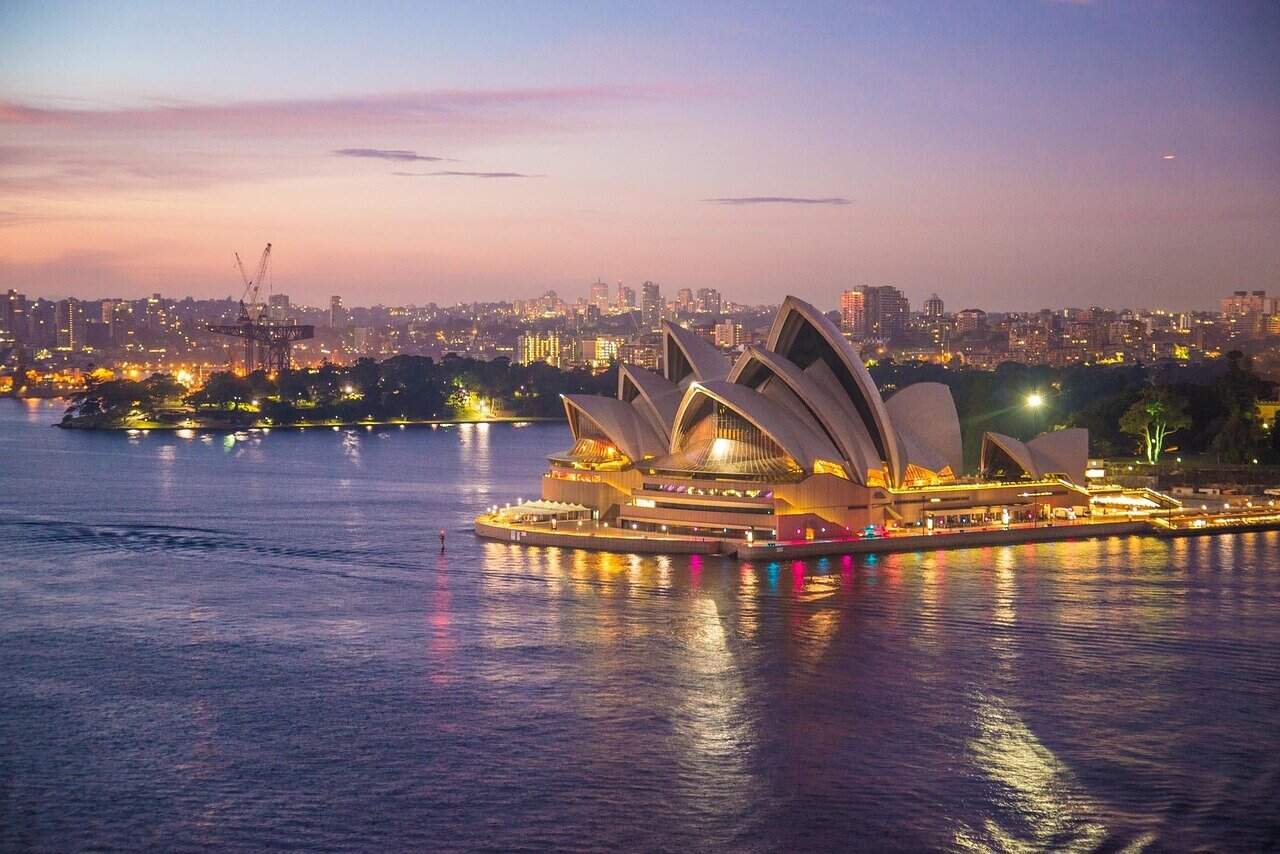
Sydney doesn’t have to try that hard to stay ahead — for now. Startup Genome’s 2026 report still has it as the strongest ecosystem in Oceania, sitting 26th globally with an Ecosystem Value of roughly US$72 billion.
Tech Central does a lot of the heavy lifting here. It’s a six-square-kilometre, government-backed precinct anchoring a $42 billion economy and something like 100,000 workers across startups, universities and the big tech names — Canva and Atlassian both call it home. Sydney’s also about to get a new front door: the Western Sydney International Airport opens later this year, bringing a 24-hour international gateway and a fresh precinct built around manufacturing, aerospace, logistics and health tech.
And it’s not just software anymore. More than half of Australia’s life sciences companies are based in Sydney, and the city generates over a third of the country’s MedTech revenue — a $4.8 billion sector employing around 7,000 people. The NSW Government’s $135 million investment in a GMP-compliant viral vector facility, plus UNSW’s own $35 million spinout fund, are quietly building serious biotech infrastructure behind the AI headlines.
Money still flows to Sydney first. It captured half of all Australian tech funding in Q1 2026, with Advanced Navigation’s $110 million raise and Neara’s $63.5 million among the biggest deals. Sydney startups aren’t just winning locally — they’re the ones global investors already know how to find.
Related Articles:
10 Australian Startups In 2023 That Can Change Aussie Lifestyle
Why Australian Small Businesses Are Failing In Early Stages
At 12: How an Australian Girl Became the World’s Youngest Entrepreneur
From A Design Teacher To An Entrepreneur: A Billon Dollar Story Of “Canva”
Melbourne: Making An Impact With Deep Tech Expertise
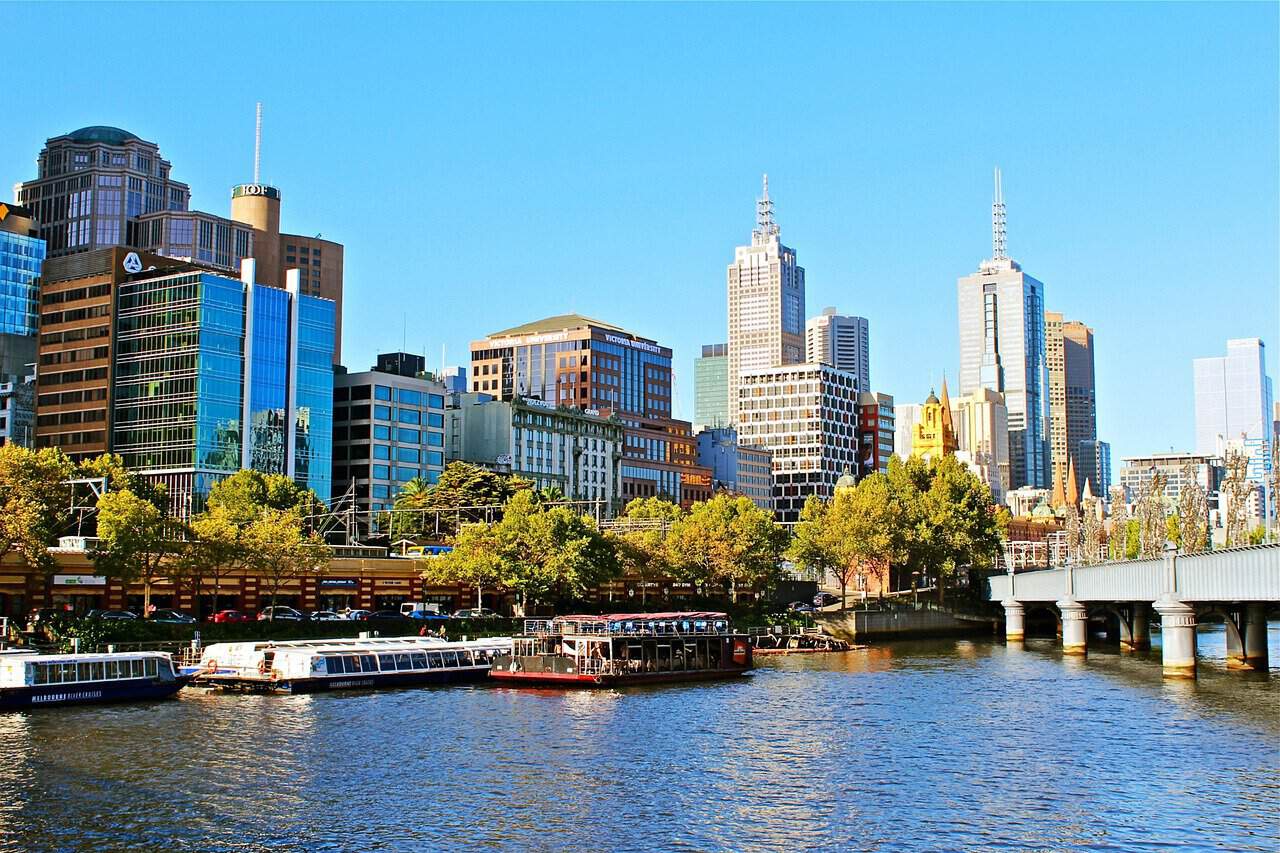
Melbourne: Making An Impact With Deep Tech Expertise
Give Melbourne credit — it had a proper breakout year. StartupBlink’s 2026 index has it jumping eight places to 34th globally, growing 37.8%, nearly double the average for cities in its bracket. Startup Genome tells a similar story: Melbourne up two spots to 30th.
The city’s advantage has always been depth over speed — deep tech, biotech, advanced manufacturing, the kind of startups that take longer to build but are harder to copy. LaunchVic and the $2 billion Breakthrough Victoria fund keep feeding that pipeline, turning university research into actual companies. On the funding side, Melbourne startups picked up 17% of national tech capital in Q1 2026, with vehicle-tech names AutoGrab and Applied EV among the standouts.
Clayton and Parkville remain the beating heart of it all — genomics, pharma, medtech, and increasingly mRNA manufacturing that’s starting to get noticed overseas.
Worth a mention: Melbourne and Sydney aren’t the whole story anymore. Brisbane’s crept up to fourth in Oceania (Gilmour Space helps), and Adelaide jumped 15 places in StartupBlink’s rankings, growing almost as fast as Melbourne. Neither’s threatening the top two yet. But the gap’s not as wide as it used to be.
Sydney vs Melbourne Startups: Which City Is Better?
Sydney or Melbourne — which one actually wins? Depends what you’re building, honestly. Quick cheat sheet on the Sydney vs Melbourne startups question for 2026:
| Factor | Sydney | Melbourne |
| Startup Strength | FinTech, AI, SaaS | Deep Tech, Biotech, MedTech |
| VC Funding | Higher | Growing rapidly |
| Research | Strong | Strong |
| Best For | Fast scaling | Research-led innovation |
Building something that needs to scale fast in a crowded market? Sydney’s your launchpad. Building something that needs a few years of R&D before it can even talk to a customer? Melbourne’s probably the better home base.
How Deep Tech Investment Surge is Fuelling Australian Startup Ecosystem
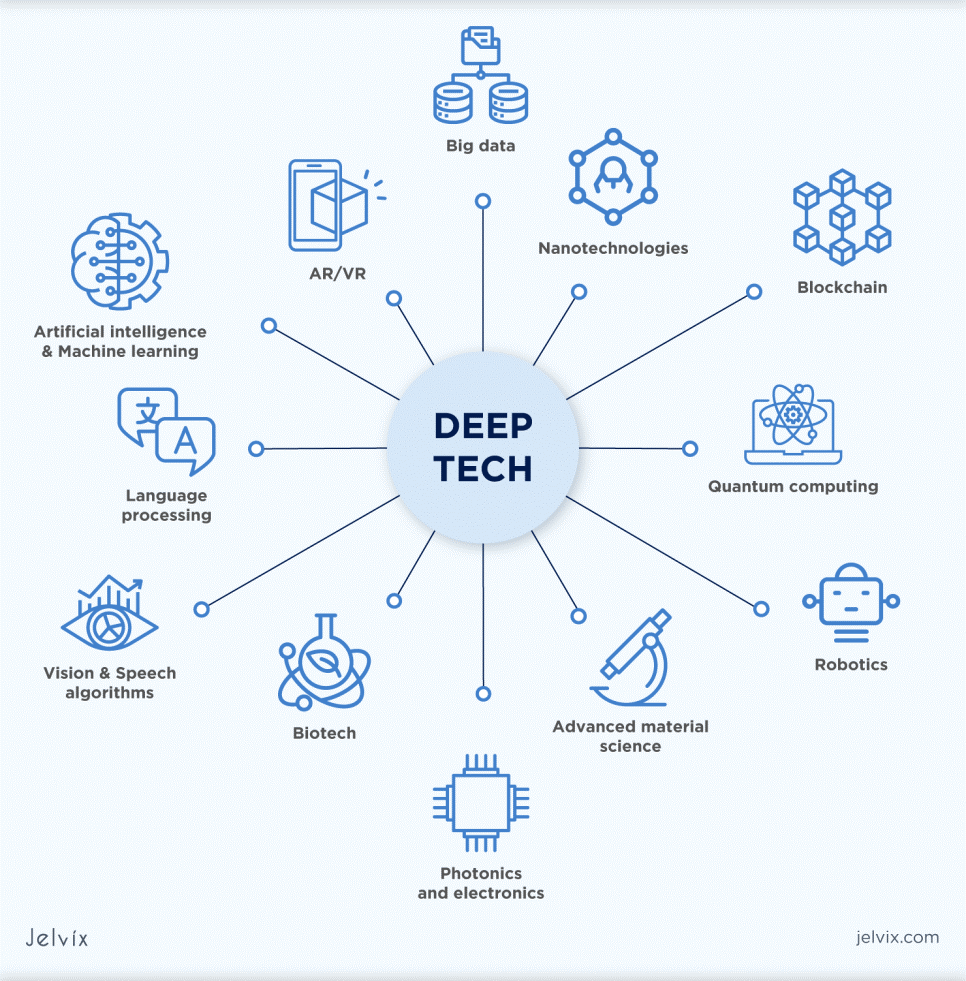
Deep tech has stopped being the interesting side project of Australian startups and started being the main event. The two biggest deals of Q1 2026 — Gilmour Space’s $145 million Series E and Advanced Navigation’s $110 million Series C — were both deep tech, both dual-use (civilian and defence), and together made up close to a third of everything raised that quarter.
That’s a real shift, not a blip. Aerospace, maritime and defence funding went from just $3.1 million in Q1 2025 to $145 million a year later, almost entirely thanks to Gilmour Space. Hardware, robotics and sensors pulled in $303 million across 17 deals, and cybersecurity landed $125 million, mostly on the back of UpGuard’s $105 million round.
Here’s the bit that should get founders’ attention: Australia’s three newest unicorns — Gilmour Space, Advanced Navigation and Neara — all build physical things. That’s a real departure from the SaaS playbook that built Canva, Airwallex and SafetyCulture. Add government money flowing through the National Reconstruction Fund into names like Morse Micro, and deep tech investment isn’t really a trend anymore. It’s just where the money’s going.
Venture Capital Investment Trends in Australia 2025
Australia’s venture capital scene in 2026 feels like it’s finally grown up. Startups secured roughly AUD $1.8 billion in announced funding in Q1 2026 alone, spread across 81 venture rounds and 26 accelerator rounds. Funding’s still concentrated in a handful of bigger rounds, but the market’s clearly recovering compared to the last couple of years.
How concentrated? The top 10 deals took almost 60% of everything raised; the top 20 took 79%. That’s the most lopsided quarter Australian VC has seen in seven-plus years. Zoom out to all of 2025 and the pattern holds — $5.48 billion across 390 deals, up 31% on the year before, with AI overtaking fintech as the most-funded sector for the first time ever.
If you’re not one of the headline deals, though, it’s still tough out there. Sub-$10 million rounds are getting a smaller slice of the pie than they have in five years, and Series A remains the awkward middle child — too big for angels, too early for the international funds now circling later rounds. What’s changed isn’t how much money is around. It’s how carefully it’s being handed out.
- Super funds are reviewing their venture allocations, and several are expected to lift local tech exposure later this year.
- Dual-track fundraising — prepping for acquisition and IPO at the same time — is becoming the norm as exit options widen.
- AI, defence-linked deep tech, healthtech and climate tech are where investors still have real conviction.
Wrap Up
So where does that leave things? Australia’s startup ecosystem in 2026 looks like a genuine comeback, still led by the same two cities. Sydney’s got the speed and the capital; Melbourne’s got the research depth and a gap that’s closing faster than expected. Throw in Brisbane and Adelaide picking up pace, a venture market that’s recovering (if unevenly), and real government money behind deep tech, and Australia looks less like a country trying to catch up — and more like one that’s actually back in the race.
Frequently Asked Questions
Which city has the best startup ecosystem in Australia?
Sydney, for now. It’s ranked 26th globally by Startup Genome’s 2026 report and still holds the biggest slice of Australia’s venture capital. Melbourne’s catching up fast, though — it jumped eight places in StartupBlink’s 2026 index on the back of its deep tech and biotech strength.
Is Sydney or Melbourne better for startups?
Depends what you’re building. Sydney suits fintech, AI and SaaS founders who want to scale quickly and have easy access to capital. Melbourne’s the better fit for research-heavy deep tech, biotech and medtech ventures with strong university ties. Both cities have solid research infrastructure behind them.
What is deep tech investment?
It’s venture capital aimed at startups built on real scientific or engineering breakthroughs — think AI hardware, quantum computing, space tech, defence or biotech — rather than software alone. In Australia, deep tech drove the biggest funding rounds of 2026, including Gilmour Space and Advanced Navigation.
Which industries attract the most venture capital in Australia?
In 2026, the biggest money went to vertical business software, hardware and robotics, and space and defence, according to Cut Through Venture. Artificial intelligence overtook fintech as the most-funded sector in 2025, and healthtech and climate tech are still reliable bets for investors.
Why is Australia’s startup ecosystem growing?
After three years of decline, Australia jumped to 9th globally in StartupBlink’s 2026 index. Credit a recovering venture capital market, government-backed deep tech funding through the National Reconstruction Fund, and growing international confidence in what Sydney and Melbourne are building.