Ask anyone who’s been island-hopping in the Whitsundays or trekked the Larapinta and they’ll tell you: Australia isn’t just another spot on the adventure tourism map, it’s arguably at the top of it in 2026. Tourism Research Australia’s latest benchmark report has the country’s total visitor economy sitting at A$192.4 billion for 2025, a 6.5% jump on the year before, and international visitors did their part too, spending a record A$39.2 billion across 8.9 million arrivals. Then there’s the Australia adventure tourism market itself, which industry analysts price anywhere between US$38 billion and US$50-plus billion right now, with most forecasts expecting it to blow past US$130 billion within a decade. So what’s actually behind all this? A bit of everything, really: landscapes most countries can’t compete with, a growing hunger for eco tourism Australia experiences and First Nations-led cultural trips, and governments that have finally started putting real money behind trails, parks and regional infrastructure instead of just talking about it.
Building on that momentum, adventure tourism Australia-wide is having something of a moment, fuelled by travellers craving adrenaline and genuine immersion in nature rather than another beach resort holiday. Coherent Market Insights’ 2026 update values the sector at around US$42.16 billion this year, climbing to US$139.16 billion by 2033 at an 18.6% CAGR, while Expert Market Research’s April 2026 report goes even further, pegging the 2035 figure at US$206.06 billion. Whichever number you trust most, the direction is the same: Australia’s varied terrain has made it a magnet for outdoor activities Australia fans and adventure seekers, and that pull doesn’t look like it’s fading anytime soon.
Travellers today want more than the postcard shot. Australia adventure tourism has moved well past ticking off the same old sights — think deep-sea diving on the Great Barrier Reef one week, skydiving over the Whitsundays the next. Below, we get into the trends, the market segments, what this all means for the economy, and where adventure travel Australia is realistically headed through 2031.
Rising Preference for Adventure and Outdoor Activities
There’s a broader shift happening in travel worldwide, and it’s hard to miss: fewer people want to sit by a pool for a week, more want to hike, climb, raft or track wildlife. Hiking, rock climbing, white-water rafting and wildlife safaris keep climbing in popularity with both domestic and international crowds, and outdoor activities Australia wide are riding that wave.
It helps that Australia’s geography does a lot of the heavy lifting here. Between the coastline, the rainforests, the outback and the mountain ranges, there’s no shortage of terrain for adventure travel Australia fans to explore. A few of the standouts:
The Great Barrier Reef – still one of the best diving destinations on Earth, with scuba and snorkelling experiences among coral reefs that genuinely live up to the hype.
The Blue Mountains – a go-to for rock climbers, abseilers and bushwalkers chasing sweeping views and terrain that actually challenges you.
Uluru and the Outback – part adventure, part cultural immersion, where trekking across the desert comes with real Indigenous storytelling attached.
Tasmanian Wilderness – raw, untouched, and full of surprises for hikers and kayakers willing to go off-grid for a few days.
Ikara-Flinders Ranges, South Australia – the only Australian destination to make Lonely Planet’s Best in Travel 2026 list (it landed at No. 4 globally), and it’s quickly turning into one of the country’s must-visit adventure hubs.
As more travellers chase authentic, experience-first trips over the standard sightseeing itinerary, Australia keeps finding new ways to give them exactly that.
Key Trends Shaping Australia’s Adventure Tourism Market in 2026

The old post-pandemic recovery narrative doesn’t really apply anymore, honestly. What’s driving growth now is a set of changes in how people actually want to travel, and a handful of them stand out clearly.
Eco Tourism Australia: A batch of new low-impact, booking-only trails is opening in 2026 — the 32km Ngaro Track on Whitsunday Island, the Wangetti Trail near Cairns, and the Dorrigo Great Walk among them — each built alongside Traditional Owners so fragile ecosystems aren’t overrun by foot traffic.
Indigenous Cultural Tourism: This one’s had a genuinely record year. Tourism Research Australia counted 3.0 million trips that included First Nations activities in 2023–24, the most ever logged. International bookings for Aboriginal-guided tours jumped 56% in a single year, and Tourism Australia’s Discover Aboriginal Experiences collective has grown to 55 member businesses running 200-plus guided experiences.
Wellness Adventures: More travellers now want the physical challenge and the reset in one trip — a guided hike followed by cultural healing, or a yoga retreat tucked into a nature-based itinerary. Australia’s wellness tourism sector is expected to grow from around US$20.7 billion in 2025 to US$69.8 billion by 2034.
Sustainable Travel: Carbon-neutral operators, solar-powered eco-lodges and genuinely regenerative practices aren’t a nice-to-have anymore — they’re becoming the deciding factor in where people book, and who with.
AI-Powered Travel Planning: Nearly three in ten Australians (28.8%) are now using AI tools to plan a trip, and that jumps to roughly half among Gen Z and Millennial travellers, per a 2025 Compare the Market survey. Tools like Google’s Search AI Mode and KAYAK’s Ask AI are quietly changing how adventure itineraries get put together.
None of this is a fluke. It’s an industry figuring out that adrenaline alone isn’t enough anymore — people want it paired with meaning, sustainability and a trip that actually fits them.
The Role of Eco-Tourism in Adventure Travel
As people pay closer attention to their environmental footprint, eco tourism Australia has gone from a niche interest to a core part of the adventure tourism industry. Travellers increasingly want to know their trip isn’t costing the places they’re visiting.
A few destinations that get this right:
Daintree Rainforest, Queensland – one of the oldest rainforests on the planet, with guided eco-tours that actually teach you something about biodiversity and Indigenous culture, not just a walk through the trees.
Kangaroo Island, South Australia – wildlife sanctuaries, conservation parks and eco-lodges that don’t feel like a compromise on comfort.
Rottnest Island, Western Australia – no cars allowed, so it’s all bikes, snorkelling and wildlife encounters in a properly protected setting.
Ikara-Flinders Ranges, South Australia – ancient, rugged, and increasingly known for stargazing and low-impact camping that leaves barely a trace.
More tour operators are following suit too, going carbon-neutral, sourcing sustainable accommodation and rethinking how wildlife tourism is done — which, if it keeps up, is exactly what keeps Australia’s natural beauty intact for the next generation of travellers.
Market Segmentation and Demand for Activities
Domestic Tourism
Aussies themselves are a big part of this story. Domestic demand for outdoor activities Australia has climbed steadily, helped along by more active lifestyles, easier access to adventure hubs, and — let’s be honest — a lot of Instagram-worthy scenery doing free marketing. A few favourites:
Blue Mountains: Rock climbing, abseiling and canyoning through dramatic sandstone cliffs and gorges that draw serious climbing crowds year after year.
Gold Coast: Surf-friendly beaches, warm water and consistent waves make it an easy pick for surfers of any skill level.
Kimberley Region: 4WD expeditions, river cruises and Indigenous-led cultural experiences for travellers wanting something more remote and grounded.
Road trips, 4WD expeditions and camping keep growing too, especially among families and solo travellers wanting the flexibility of a self-drive trip. Domestic travellers took around 113 million overnight trips in 2025, and nearly half of all that domestic overnight spend landed in regional Australia (Tourism Research Australia) — proof that the appetite for exploring closer to home hasn’t gone anywhere.
International Tourism
Australia’s mix of coast, desert and rainforest keeps pulling in international adventure travellers, though who’s coming has shifted a bit. New Zealand, China, the United Kingdom, the United States and India are now the leading inbound markets for 2025/2026, with China the single largest contributor to visitor spend and one of the fastest-growing — arrivals from China passed the one-million mark for the year ending December 2025. Popular stops for adventure travel Australia among this crowd include:
Great Ocean Road: That iconic coastal drive, paired with surfing, hiking and skydiving over the Twelve Apostles for those wanting a bit more thrill with their scenery.
Kakadu National Park: A UNESCO-listed mix of adventure and cultural heritage — crocodile spotting, billabong cruises and rock art that draws history buffs and thrill-seekers alike.
Fraser Island (K’gari): The world’s largest sand island, where 4WD beach drives and camping sit right alongside snorkelling in freshwater lakes.
Tourism Research Australia expects international visitor spend to hit A$46 billion and arrivals to reach 10.9 million by 2030, so the outlook for international adventure travel through 2031 looks genuinely solid. Better flight connectivity, campaigns like Tourism Australia’s “Come and Say G’day,” and ongoing progress on sustainable tourism should all help keep that momentum going.
Niche Sectors
Sustainability isn’t just a talking point anymore — it’s carved out its own corner of the adventure tourism market, with three areas leading the charge:
Eco-tourism: Solar power, waste reduction and locally sourced everything are becoming standard rather than a selling point, as more travellers actively choose carbon-neutral options.
Indigenous Cultural Tours: Storytelling, bush tucker experiences and traditional crafts led by Indigenous guides, offering a version of Australia’s history you won’t get from a guidebook.
Conservation-based Adventures: Marine conservation dives, wildlife monitoring and reforestation work for travellers who want their trip to give something back, not just take from the destination.
Expect this demand to keep growing, which means more businesses will need to actually walk the talk on sustainability rather than just mentioning it in their marketing.
Economic Impact of Adventure Tourism
Revenue Generation and Job Creation
Adventure tourism isn’t just good for the traveller — it’s a genuine economic engine, pulling in billions each year through travel, accommodation, guided tours and gear. That flows well beyond the tour operators themselves:
Retail: Hiking boots, camping gear, surfboards — demand for adventure equipment keeps climbing alongside the sector itself.
Hospitality: Hotels, lodges and restaurants near adventure hotspots are seeing steadier bookings, particularly out in regional areas.
Transportation: More travellers heading to remote destinations means more demand for car rentals, domestic flights and regional transport links.
Tourism now supports 736,800 jobs across the country and more than 361,270 tourism businesses — that’s 13.2% of all Australian businesses — with A$74.5 billion in tourism investment across major projects in 2025, up 17.5% on the year before (Tourism Research Australia). A lot of that translates into real jobs in rural and regional areas where tourism is often the backbone of the local economy.
You may also like:
Let’s Travel Thorough Australia: A Travel Blog About Australia
15 Most Romantic Destination To Make Your Valentine Special
The Unique Biodiversity of Australia: 9 Rare and Beautiful Species
Best Places To Visit In Australia For Wildlife Enthusiasts
Ten Best Places To Visit On The Mornington Peninsula
Government Investments in Infrastructure
Governments have clearly noticed the economic upside here, because the funding announcements have started to match the ambition. A few worth knowing about:
THRIVE 2030 (Federal): Australia’s national visitor economy strategy, aiming for A$230 billion in visitor spend by 2030. It’s backed by A$130 million for Tourism Australia’s “Come and Say G’day” campaign and A$18.5 million earmarked for the Red Centre and Great Barrier Reef.
Queensland’s Destination 2045: The biggest tourism investment in the state’s history — over A$1 billion across four years, A$446 million of it new, plus a “45 by 45” plan for 45 new ecotourism experiences by 2045. Recent funding includes A$19.7 million for the Wangetti Trail, A$15.5 million for the Smithfield Mountain Bike Trail, and upgrades to the Thorsborne Trail done in partnership with the Bandjin and Girramay peoples.
Western Australia’s WAVES 2033 Strategy: Backing record state tourism spend (A$18.3 billion in 2023–24) with growth campaigns aimed squarely at markets like India and China.
Improved Hiking Trails & Eco-Lodges: National parks keep expanding and maintaining their trail networks, while off-grid cabins and sustainable eco-resorts continue popping up to meet demand.
The idea behind all this spending is simple enough: keep Australia growing as an adventure tourism leader without wrecking the very landscapes people are showing up to see.
Regional Insights and Future Outlook
Key Adventure Hubs
A handful of regions consistently punch above their weight for adventure tourism:
New South Wales: Home to the Blue Mountains, with rock climbing, hiking and canyoning on offer.
Queensland: The Great Barrier Reef and Gold Coast cover diving, snorkelling and surfing in one state.
Tasmania: Wilderness adventures, pristine trails, and eco-tourism experiences that feel genuinely remote.
The Outback: Rugged 4WD tours and Indigenous cultural tourism for travellers wanting to go further off the beaten path.
South Australia: The Ikara-Flinders Ranges has arrived on the world stage, thanks to that Lonely Planet Best in Travel 2026 nod — the only Australian destination to make the cut.
Future Market Growth
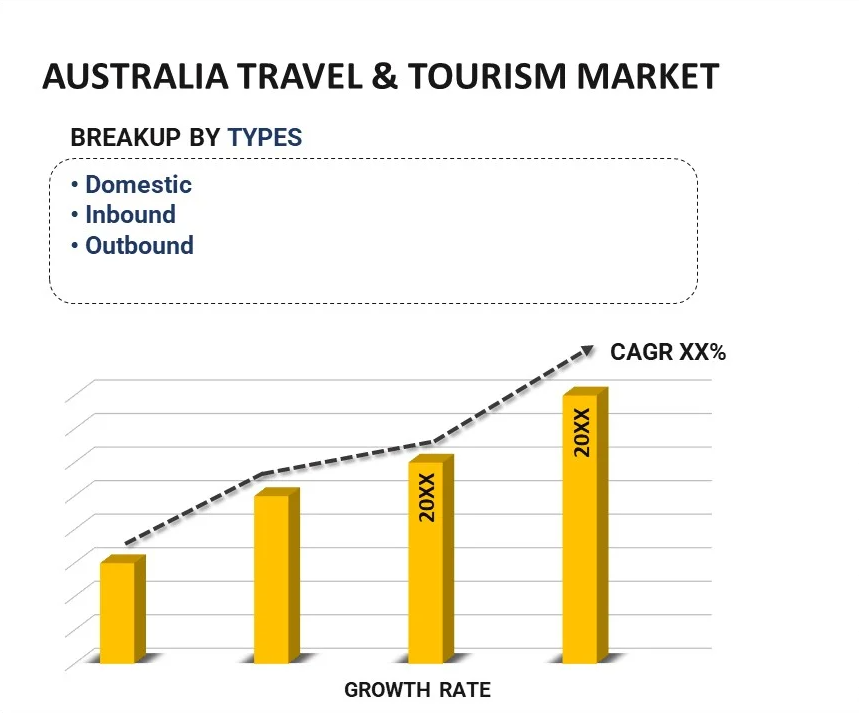
The outlook for Australia’s adventure tourism market stays firmly positive heading into the back half of the decade. Continued investment in sustainability, infrastructure and new adventure experiences should keep cementing Australia’s place as a global leader here. AI is already changing how people plan these trips — close to 29% of Australians now use AI tools somewhere in the planning process, per that 2025 Compare the Market survey — and that’s on top of virtual reality previews and better safety gear making adventure travel more approachable for more people. With Tourism Research Australia forecasting total visitor spend of A$233 billion by 2030, tourism market growth in Australia looks set to keep riding the shift toward experiential, nature-driven trips.
Australia’s adventure tourism industry is genuinely on an upward run, powered by demand for the outdoors, real sustainability efforts and government money that’s actually showing up. That’s part of a bigger story too — Australia’s travel economy as a whole keeps creating jobs, boosting visitor spend and lifting regional communities along with it. As the market keeps expanding, it’ll be innovation and responsible tourism practices doing the heavy lifting to keep that growth sustainable. All told, Australia looks well placed to stay one of the world’s premier adventure tourism destinations through 2031 and beyond.
Frequently Asked Questions:
What is adventure tourism in Australia?
It’s travel built around physical challenge and real immersion in Australia’s landscapes and culture — diving the Great Barrier Reef, hiking Tasmania’s wilderness, or joining an Indigenous-led tour through the Outback. Adrenaline is part of it, but so is nature, sustainability and cultural connection, which is why it appeals to both locals and overseas visitors.
Which are the best adventure destinations in Australia?
The Great Barrier Reef for diving, the Blue Mountains for climbing and canyoning, Uluru and the Red Centre for desert trekking, and Tasmania for wilderness hiking all remain top picks. Keep an eye on South Australia’s Ikara-Flinders Ranges too — it just landed on Lonely Planet’s Best in Travel 2026 list.
Why is Australia’s adventure tourism market growing?
A few things are lining up at once: rising global demand for authentic, nature-based travel, landscapes that genuinely stand out, and government backing through THRIVE 2030 and Queensland’s Destination 2045. Record engagement with First Nations tourism and growing eco-tourism infrastructure are adding further momentum through 2031.
What are the most popular outdoor activities in Australia?
Diving and snorkelling on the Great Barrier Reef, rock climbing and canyoning in the Blue Mountains, surfing on the Gold Coast, 4WD trips through the Kimberley and Outback, and multi-day hikes across Tasmania’s trails all remain go-to choices for travellers.
What adventure travel trends are shaping Australia in 2026?
Five things stand out this year: eco-tourism and new low-impact trails, record Indigenous cultural tourism, wellness-focused adventures, genuinely sustainable travel, and AI tools reshaping how trips get planned. Between them, they’re pushing the industry toward more meaningful, tailored travel experiences.