
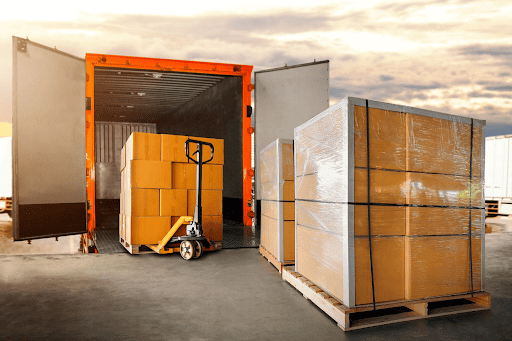
Businesses that regularly move heavy goods, equipment, and bulk materials need a dependable transport arrangement to keep their operations running smoothly. Choosing professional industrial transport services in Sydney can help businesses organise deliveries, manage freight requirements, and transport palletised goods between warehouses, suppliers, distribution centres, and commercial locations. However, booking the right provider involves more than comparing prices. Businesses should consider delivery schedules, vehicle suitability, handling procedures, and the provider’s experience with industrial freight.
Pallet transport is commonly used across manufacturing, retail, construction, and wholesale industries. It allows goods to be grouped, secured, stored, and transported in a consistent format. Whether a company needs a single pallet collected or regular freight movements, working with an experienced transport provider can make the process easier to coordinate.
This guide explains how to book reliable pallet transport in Sydney, what to check before confirming a service, and how to prepare goods for delivery.
Understand Your Pallet Delivery Requirements
Before contacting transport providers, identify exactly what needs to be moved. Providing accurate information helps a company determine the appropriate vehicle, equipment, and delivery arrangements.
Confirm the Number and Size of Pallets
Start by recording how many pallets need to be transported. Standard Australian pallets are commonly 1,165 mm by 1,165 mm, although businesses may use other dimensions depending on the goods and industry.
Measure each pallet and record its approximate weight. Include the height of the loaded goods, as this can affect how pallets are stacked and secured inside a transport vehicle.
Accurate measurements help transport providers assess available vehicle space and determine whether special handling arrangements are necessary.
Identify the Type of Goods
The nature of the freight can influence the transport requirements. General merchandise, building materials, machinery components, and packaged products may require different handling procedures.
Businesses should inform the provider about fragile, oversized, heavy, or unusually shaped items. If goods require protection from weather, movement, or impact, mention these requirements when requesting a quote.
Providing this information early helps reduce the risk of delays and handling problems.
Research Industrial Transport Providers in Sydney
Once the delivery requirements are clear, research companies that offer suitable industrial freight services. Not every transport provider handles palletised goods, so it is important to confirm that the company can accommodate the type and volume of freight involved.
Check Relevant Transport Experience
Look for providers with experience transporting commercial and industrial goods. A company familiar with warehouse collections, business deliveries, and pallet handling may be better prepared to manage the practical requirements of your shipment.
Ask about the types of freight they regularly transport and whether they have experience with similar delivery arrangements.
Review Service Coverage
Check whether the provider services both the collection and delivery locations. Sydney covers a large metropolitan area, and travel times can vary depending on traffic, access restrictions, and distance.
If your business regularly sends goods to different suburbs or industrial areas, confirm that the provider can support those destinations.
Examine Business Reputation
Customer feedback can offer useful information about a company’s communication, punctuality, and service quality. Look for consistent comments rather than relying on a single review.
You can also request references or examples of previous commercial transport work when arranging a larger or ongoing service agreement.
Request a Detailed Pallet Transport Quote
Comparing quotes helps businesses understand the likely cost of a delivery and identify what is included in the service.
Provide Accurate Collection and Delivery Details
When requesting a quote, provide the full collection and delivery addresses, preferred dates, and any access instructions. Mention whether the locations have loading docks, forklifts, pallet jacks, or other loading equipment.
You should also confirm whether drivers can access the collection and delivery areas without special arrangements.
Ask What the Price Includes
Transport prices may depend on distance, pallet dimensions, freight weight, handling requirements, and delivery timeframes. Some providers may also charge additional fees for waiting time, difficult access, or special equipment.
Request a written breakdown so you can compare providers fairly. Confirm whether the quote includes collection, loading, transport, unloading, and any additional services required.
Clarify Delivery Timeframes
Ask whether the service is scheduled, expressed, or arranged within a specific delivery window. If the shipment is time-sensitive, confirm how the provider manages delays and communicates changes.
Businesses should avoid assuming that a quoted collection time automatically guarantees a specific arrival time.
Choose Suitable Pallet Delivery Services
After comparing transport providers, select a service that matches your freight requirements, delivery schedule, and budget. Professional pallet delivery services can help businesses move goods efficiently between commercial locations while reducing the need to coordinate transport independently.
Consider the Type of Delivery Required
Different businesses have different freight requirements. Some may need occasional pallet collections, while others require scheduled deliveries several times each week.
Discuss the frequency of your shipments and whether the provider can accommodate changing delivery volumes. For businesses with regular freight movements, an ongoing arrangement may help simplify transport planning.
Confirm Loading and Unloading Arrangements
Clarify who is responsible for loading and unloading the pallets. Some deliveries require forklifts or pallet jacks, while others may need additional assistance due to limited access.
If the delivery site has specific operating hours or safety procedures, provide these details before booking.
Ask About Freight Protection
Pallets should be handled carefully throughout the transport process. Ask how goods are secured inside the vehicle and what procedures are followed to minimise movement during transit.
For valuable or fragile freight, discuss appropriate protective measures and clarify the provider’s insurance arrangements and liability conditions.
Prepare Your Pallets Before Collection
Proper preparation helps reduce the risk of damage and makes collection more efficient. Businesses should organise their freight before the scheduled pickup time.
Secure Goods Correctly
Place goods evenly on the pallet and distribute the weight as consistently as possible. Avoid allowing items to extend unnecessarily beyond the pallet edges, as protruding goods may be more vulnerable to damage.
Use suitable wrapping, strapping, or protective materials to keep the load stable. Make sure packaging is appropriate for the type of goods being transported.
Label Each Pallet Clearly
Attach labels that identify the shipment, destination, and relevant handling instructions. If multiple pallets are being delivered to different locations, clear identification can help prevent confusion.
Where applicable, include delivery references, purchase order numbers, or consignment details supplied by the receiving business.
Keep Freight Ready for Collection
Have pallets positioned in an accessible collection area before the driver arrives. Make sure loading zones are clear and that staff responsible for releasing the freight are available.
If the collection location has restricted access, security procedures, or specific operating hours, communicate these details in advance.
Confirm Booking Details Before Transport
Once the provider has accepted the job, review the booking information carefully. A clear confirmation helps both parties understand their responsibilities.
Check Collection and Delivery Information
Verify the addresses, contact names, phone numbers, pallet quantities, and delivery dates. Correcting mistakes before collection is generally easier than resolving them once the freight is in transit.
Also confirm any site-specific instructions, including loading dock access, delivery restrictions, and contact arrangements.
Understand Cancellation and Rescheduling Policies
Business schedules can change due to stock availability, production delays, or unexpected operational issues. Ask how much notice is required to change a booking and whether cancellation fees apply.
Understanding these conditions helps businesses manage unexpected changes without unnecessary confusion.
Establish Communication During Transit
For important shipments, ask how updates will be provided. Depending on the service, communication may include collection confirmation, delivery updates, or notification when the freight arrives.
Make sure someone at the receiving location is available to accept the delivery and report any concerns.
Common Mistakes to Avoid When Booking Pallet Transport
Even a straightforward freight movement can encounter problems when important details are overlooked.
Providing Incomplete Freight Information
Incorrect pallet dimensions, weights, or quantities can result in unsuitable vehicle arrangements. Always provide accurate information when requesting a quote.
Choosing a Provider Based Only on Price
A low quote may not include the services or handling arrangements your shipment requires. Compare the full service offering, reputation, communication, and delivery conditions before making a decision.
Overlooking Delivery Site Requirements
Some warehouses and commercial premises have restricted access, limited unloading facilities, or specific delivery hours. Inform the provider about these conditions before confirming the booking.
Failing to Secure Pallet Loads
Poorly wrapped or unstable pallets may shift during transit. Check each load before collection and use suitable materials to protect the goods.
Conclusion
Booking reliable pallet transport in Sydney requires preparation, accurate freight information, and careful selection of a suitable provider. Businesses should assess their pallet dimensions, weight, delivery locations, handling requirements, and preferred timeframes before requesting quotes.
Researching industrial transport providers, comparing service inclusions, and confirming booking conditions can help prevent avoidable delays and misunderstandings. Proper pallet preparation and clear communication between collection and delivery locations also contribute to a more organised transport process.
Whether your business needs occasional freight movements or regular commercial deliveries, choosing an experienced provider can help support day-to-day operations. By following these steps, businesses can make informed decisions when arranging pallet transport and establish a more dependable approach to moving goods across Sydney