Preparing for your first eye clinic appointment is an important step towards understanding your vision and exploring whether laser eye surgery is suitable for you. Whether you want to reduce your reliance on glasses or contact lenses or learn more about available vision correction options, attending your consultation with the right information can make the process easier.
Your initial appointment allows an eye care professional to assess your vision, review your eye health, and discuss possible treatment options. Bringing relevant documents, medication details, and questions can help ensure the consultation covers your needs and expectations.
If you are planning to visit an eye clinic in Adelaide, preparing in advance can help you make better use of your appointment. Here are seven useful things to bring and consider before your first consultation.
1. Bring Your Current Prescription and Vision Records
One of the most useful things to bring to your first appointment is your current glasses or contact lens prescription. This information gives the eye care team an understanding of your existing vision correction needs.
Include Your Latest Prescription
Your prescription contains details about your refractive error, such as short-sightedness, long-sightedness, or astigmatism. These details can help the specialist understand your current vision requirements.
If you have received an updated prescription recently, bring a copy of it. Older prescriptions may also be useful because they can help establish whether your vision has remained stable over time.
Bring Previous Eye Test Results
If you have undergone eye examinations elsewhere, bring any available reports. Previous results may provide information about changes in your eyesight, eye pressure, or other aspects of your eye health.
This information can help the specialist assess your history and determine which additional examinations may be needed.
2. Prepare Your Medical and Eye Health History
Your general health can influence whether laser vision correction is appropriate. Certain medical conditions and medications may affect eye health, healing, or treatment suitability.
List Existing Medical Conditions
Prepare a list of relevant medical conditions, including any eye-related problems you have experienced. Conditions involving the eyes, immune system, or general health may be important during your assessment.
You should also mention previous eye injuries, infections, or surgical procedures. Even if these occurred several years ago, they may provide useful information for the specialist.
Bring Your Medication Details
Write down the prescription medicines, over-the-counter products, and eye drops you currently use. Include the names and dosages where possible.
Some medications can affect tear production, healing, or other aspects of eye health. Providing an accurate list allows the clinician to assess these factors before recommending treatment.
3. Bring Your Glasses and Contact Lenses
Your glasses and contact lenses can help the eye care team understand how you currently manage your vision.
Pack Your Current Glasses
Bring your everyday glasses, even if you mainly wear contact lenses. They can provide a useful reference during your consultation and may help the specialist understand your usual vision correction.
If you have more than one pair for different activities, such as reading or driving, bring those as well if they are relevant.
Ask About Contact Lens Requirements
Contact lens wear can temporarily influence the shape of the cornea, which is important when assessing suitability for laser vision correction.
Your clinic may ask you to stop wearing contact lenses for a specified period before certain measurements. The required period can depend on the type of lenses you use and the clinic’s assessment process.
Contact the clinic before your appointment to confirm its instructions. Do not assume that the same preparation period applies to everyone.
4. Prepare a List of Questions About Laser Eye Surgery
Your first consultation is an opportunity to understand the procedure and decide whether it matches your needs. Preparing questions beforehand can help you cover important topics without forgetting anything during the appointment.
Ask About Available Treatment Options
Laser vision correction includes different procedures, and not every option is suitable for every patient. Ask the specialist which treatments may be appropriate based on your prescription, corneal measurements, and general eye health.
You can also ask how the procedures differ in terms of preparation, recovery, and potential risks.
Discuss Expected Results and Limitations
It is important to understand what treatment may realistically achieve. Ask whether you may still need glasses for certain activities and whether age-related changes could affect your vision in the future.
Individual results vary, so the specialist should explain the potential benefits and limitations based on your assessment.
5. Bring Your Questions About Laser Eye Surgery Costs and Recovery
Understanding the practical aspects of treatment can help you plan ahead if you are found to be suitable.
Ask for a Clear Explanation of Costs
Request information about consultation fees, treatment costs, follow-up appointments, and any additional charges that may apply.
You should also clarify what is included in the quoted price. Understanding the costs in advance can help you compare options and avoid unexpected expenses.
Understand the Recovery Process
Ask how much time you may need away from work, driving, exercise, or other daily activities. Recovery requirements differ between procedures and individuals.
The specialist should explain the recommended follow-up schedule and any temporary restrictions that may apply after treatment.
6. Arrange Transport and Allow Enough Time
Your first appointment may involve several examinations and measurements. Allow enough time so you do not feel rushed.
Check Your Appointment Details
Confirm the clinic address, appointment time, parking arrangements, and any preparation instructions before leaving home.
Some eye examinations may involve eye drops that temporarily affect your vision. Ask the clinic whether this is expected during your appointment and whether you should arrange transport.
Consider Bringing Someone With You
Having a family member or friend accompany you may be helpful if you have concerns or expect to receive a large amount of information.
They can also help you remember important details discussed during the consultation.
7. Understand What Happens During Your Initial Assessment
Knowing what to expect can make your first appointment more comfortable. The assessment may include several tests designed to evaluate your vision and eye health.
Expect Detailed Eye Measurements
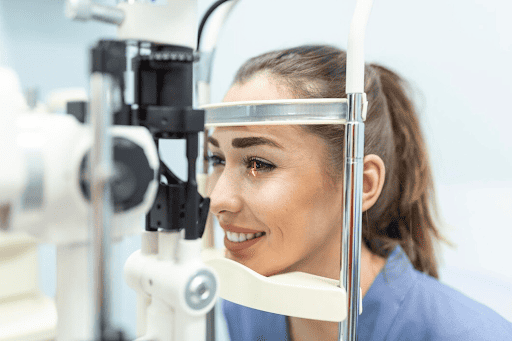
Depending on your needs, the clinic may conduct vision tests, corneal measurements, and other examinations. These help determine whether your eyes meet the requirements for a particular procedure.
The specialist may also assess your prescription stability and examine the overall health of your eyes.
Be Honest About Your Expectations
Explain why you are interested in laser vision correction and what you hope to achieve. For example, you may want greater convenience during sport, work, or everyday activities.
Sharing your expectations helps the specialist explain whether treatment is appropriate and what outcomes may be realistic.
Understanding Laser Eye Surgery in Adelaide
Laser vision correction is designed to reduce dependence on glasses or contact lenses by changing the shape of the cornea. However, suitability depends on several factors, including prescription stability, corneal thickness, eye health, and individual circumstances.
People researching laser eye surgery in Adelaide should understand that a comprehensive assessment is necessary before any treatment recommendation can be made.
Why Suitability Assessments Matter
Not everyone is suitable for laser eye surgery. Certain corneal conditions, unstable prescriptions, dry eye problems, and other health considerations may affect eligibility.
A thorough assessment helps identify potential concerns and allows the specialist to discuss suitable alternatives when necessary.
Discuss Potential Risks and Side Effects
Like other medical procedures, laser vision correction has potential risks and side effects. These may include dry eyes, glare, halos, changes in visual quality, or the need for further treatment.
Ask the specialist to explain the risks relevant to your circumstances, along with the expected recovery process and follow-up care.
Conclusion
Preparing for your first eye clinic appointment can help you understand your vision correction options and make informed decisions about your eye health. Bringing your prescription, previous eye records, medical history, medication details, and current glasses or contact lenses gives the specialist useful information for your assessment.
It is equally important to prepare questions about treatment options, costs, recovery, and potential risks. A detailed consultation allows you to discuss your expectations and understand whether laser vision correction is appropriate for your circumstances.
Taking time to prepare before your appointment can make the experience more productive and help you approach the next steps with greater confidence.