A vasectomy is a common form of permanent contraception for men who have decided they do not want to father children in the future. Although it is generally performed as a minor surgical procedure, recovery is still an important part of the process. Men researching a vasectomy in Brisbane often want to understand how long they will need to rest, when they can return to work, and when normal activities can resume.
Most men recover from the initial effects of a vasectomy within several days to a week. However, complete healing can take a few weeks, depending on individual circumstances and the procedure performed. Understanding the typical recovery stages can help patients prepare, follow aftercare instructions, and recognise when medical advice may be needed.
What Happens During Vasectomy Recovery?
A vasectomy involves cutting, sealing, or otherwise blocking the vas deferens, the tubes that carry sperm from the testicles. This prevents sperm from entering the semen during ejaculation. The procedure is usually performed under local anaesthetic, allowing patients to return home on the same day.
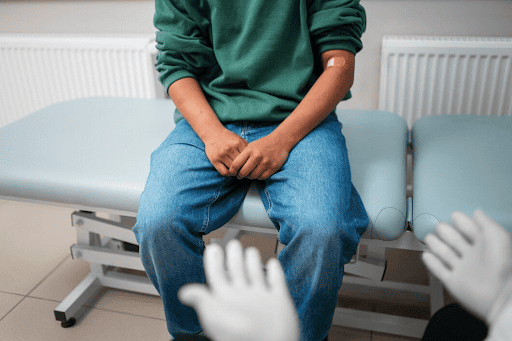
After the procedure, some discomfort, swelling, bruising, and tenderness around the scrotum are common. These symptoms generally improve as the body heals.
The First 24 to 48 Hours
The first two days are usually focused on rest and managing discomfort. Patients may experience mild soreness, swelling, or bruising around the treatment area.
Resting at home, avoiding unnecessary movement, and wearing supportive underwear can help reduce discomfort. A cold pack wrapped in a towel may also help manage swelling when used according to the treating clinician’s instructions.
Patients should avoid strenuous activities during this early stage. Even if they feel well, excessive movement or lifting heavy objects may increase discomfort.
The First Week
During the first week, many men notice a gradual improvement in tenderness and swelling. Light daily activities may become more comfortable, although some sensitivity can remain.
Returning to desk-based work may be possible within a few days, depending on how the patient feels and the advice provided by the treating clinician. Jobs involving physical labour, prolonged standing, or heavy lifting may require additional time away from work.
It is important not to rush recovery. Patients should follow their aftercare instructions rather than using the absence of pain as the only indication that healing is complete.
How Long Does Full Recovery Usually Take?
For many men, the initial recovery period lasts approximately one week. However, full recovery can take two to three weeks, and some mild tenderness may persist for longer.
The exact timeline depends on several factors, including the individual’s general health, the type of procedure, activity levels, and how the body responds to treatment.
Returning to Everyday Activities
Most patients can gradually resume normal light activities within a few days. Walking around the home and completing basic daily tasks are generally manageable when discomfort is mild.
However, activities that place pressure on the groin should be avoided until the treating clinician confirms they are appropriate. Patients should increase activity gradually and stop if pain or swelling becomes worse.
Returning to Exercise and Physical Work
Exercise should be reintroduced carefully. Strenuous workouts, running, cycling, weightlifting, and contact sports may need to be avoided for approximately one to two weeks or longer, depending on individual recovery.
Men with physically demanding jobs should discuss their return-to-work plans with their healthcare provider. Heavy lifting too soon may increase discomfort and interfere with healing.
Resuming Sexual Activity
Many men can resume sexual activity after approximately one week, provided they feel comfortable and have received appropriate medical advice.
Some tenderness may remain, so it is important to avoid activities that cause pain. Patients should also understand that a vasectomy does not provide immediate contraception. Sperm may remain in the reproductive tract after the procedure.
Another form of contraception must be used until a post-vasectomy semen analysis confirms that the procedure has been successful.
Factors That Can Affect Vasectomy Recovery
Although recovery is relatively straightforward for many patients, individual experiences can vary. Several factors may influence how quickly someone returns to their usual routine.
Individual Health and Medical History
General health can influence the body’s healing response. Existing medical conditions, medications, and previous scrotal or groin procedures may affect recovery.
Patients should provide their clinician with an accurate medical history before the procedure. This helps the healthcare provider identify any factors that may require additional care or monitoring.
Activity Levels After the Procedure
Returning to demanding activities too early may increase soreness and swelling. Patients who follow rest recommendations and gradually resume movement may find the recovery process more manageable.
It is particularly important to avoid heavy lifting and strenuous exercise during the early healing period.
Following Aftercare Instructions
Aftercare plays an important role in recovery. Wearing supportive underwear, keeping the treatment area clean, managing discomfort appropriately, and attending follow-up appointments can help patients identify potential issues.
If symptoms worsen instead of improving, patients should contact their healthcare provider for advice.
Preparing for a Vasectomy in Sunshine Coast
Men researching a vasectomy in Sunshine Coast should consider recovery arrangements before booking their procedure. Planning ahead can make the first few days more comfortable and reduce unnecessary pressure to return to normal activities too soon.
Arrange Time Away From Work
Patients should discuss their work responsibilities with their healthcare provider before the procedure. People with office-based roles may be able to return sooner than those whose jobs involve lifting, physical labour, or extended periods of movement.
Arranging a few days of flexibility can help avoid unnecessary strain during the early recovery period.
Organise Transport and Home Support
Although a vasectomy is generally performed as a day procedure, patients should follow the clinic’s instructions about transport after treatment. Having someone available to assist with travel and basic household tasks may be useful.
It is also sensible to prepare meals, arrange comfortable clothing, and have recommended recovery supplies available at home.
Understand Follow-Up Testing
One of the most important parts of vasectomy care is confirming that the procedure has worked. Patients need to complete a post-vasectomy semen analysis at the time recommended by their clinician.
Until the test confirms the absence of sperm or meets the relevant clearance criteria, alternative contraception must continue to be used.
What Symptoms Are Normal After a Vasectomy?
Mild symptoms are expected during the early recovery period. Understanding the difference between common healing effects and warning signs can help patients respond appropriately.
Common Recovery Symptoms
The following symptoms may occur after a vasectomy:
- Mild soreness or tenderness around the scrotum.
- Minor bruising near the treatment area.
- Some swelling during the first few days.
- Temporary discomfort when walking or sitting.
- Mild sensitivity during physical activity.
These symptoms should generally improve over time. Patients should follow the clinic’s instructions for managing discomfort and monitoring their recovery.
Warning Signs That Require Medical Advice
Some symptoms may indicate a complication and should not be ignored. Contact a healthcare provider if there is increasing pain, significant or worsening swelling, persistent bleeding, wound discharge, or signs of infection.
A fever, spreading redness, or severe discomfort should also be assessed promptly. Sudden or severe symptoms may require urgent medical attention.
Does a Vasectomy Affect Sexual Function?
A common concern among men is whether a vasectomy will affect sexual performance, testosterone levels, or the ability to ejaculate.
A vasectomy blocks the passage of sperm but does not remove the testicles or stop testosterone production. It generally does not affect erections, sexual desire, or the physical ability to ejaculate.
The volume and appearance of semen usually remain largely unchanged because sperm make up only a small proportion of ejaculate.
Some men may experience temporary discomfort when resuming sexual activity, but this generally improves as the treatment area heals. Anyone experiencing persistent pain or other ongoing symptoms should discuss them with their clinician.
When Should You Contact Your Doctor During Recovery?
Most men experience a gradual improvement in symptoms. However, recovery should be monitored, particularly if discomfort becomes more severe or new symptoms develop.
Patients should contact their healthcare provider if they notice worsening pain, unusual swelling, signs of infection, or concerns about the healing process.
Follow-up appointments and semen testing are also important. Even when a patient feels completely recovered, the procedure should not be assumed successful until the recommended testing confirms it.
Conclusion
Most men recover from the initial effects of a vasectomy within several days to one week, while complete healing may take approximately two to three weeks. Individual recovery times vary, and patients should follow their clinician’s advice before returning to strenuous exercise, heavy lifting, or sexual activity.
Resting during the early recovery period, wearing supportive underwear, monitoring symptoms, and attending follow-up appointments can help support the healing process. It is equally important to remember that a vasectomy does not provide immediate contraception. Alternative birth control must be used until semen testing confirms successful results.
By understanding the expected recovery timeline and preparing for the procedure, patients can make informed decisions and manage their return to everyday activities with greater confidence.