

We’re almost half past 2025, and the Australian startup ecosystem seems to be going great guns. According to Forbes Australia, “Down Under” has emerged as the most capital-efficient startup nation globally. The stats speak for themselves.
◉ Australia is ranked 5th worldwide with six home-grown decacorns (valued at US$10 billion).
◉ The Australian startup ecosystem has leapt 2.5 times since 2020 to a whopping US$360 billion.
◉ The venture capital investments have surpassed $4 billion in 2024 (up by 11%, year-on-year basis)
Amidst the thriving, Sydney and Melbourne are stealing the spotlight as the nation’s startup powerhouses, with deep tech investment reshaping innovation.
This article traces the growth story of the Australian startup ecosystem with Sydney and Melbourne leading the show, explores deep tech investments, and introduces you to VC trends in 2025. Keep reading!
Australia’s Startup Ecosystem Turning Global Heads
When it comes to tech-inspired growth, Australia can give other nations a run for their money. Over the last decade, the country has set new benchmarks for startup efficiency with:
◉ 1.22 unicorns per US$1 billion in venture capital
◉ A staggering US$63 billion across venture-backed exits since 2020
◉ A total ecosystem value of US$360 billion that lists the country among the world’s top startup nations
One of the biggest drivers for such growth is definitely the regulatory environment. Along with a strong research culture and effective use of capital, Australia continues to lure both domestic and international venture capitalists, who consider it to be a smart move to invest in startups of Australia.
Besides, the nation is now increasingly focussed on boosting interest from multiple institutional funds and superannuation capital. This in turn, is making way for a deeper and reliable funding base for any stage of a startup. Initiatives like the National Reconstruction Fund and strategic partnerships with global accelerators are also contributors to the growth engine.
Sydney: Gaining Superiority With Australian Startups
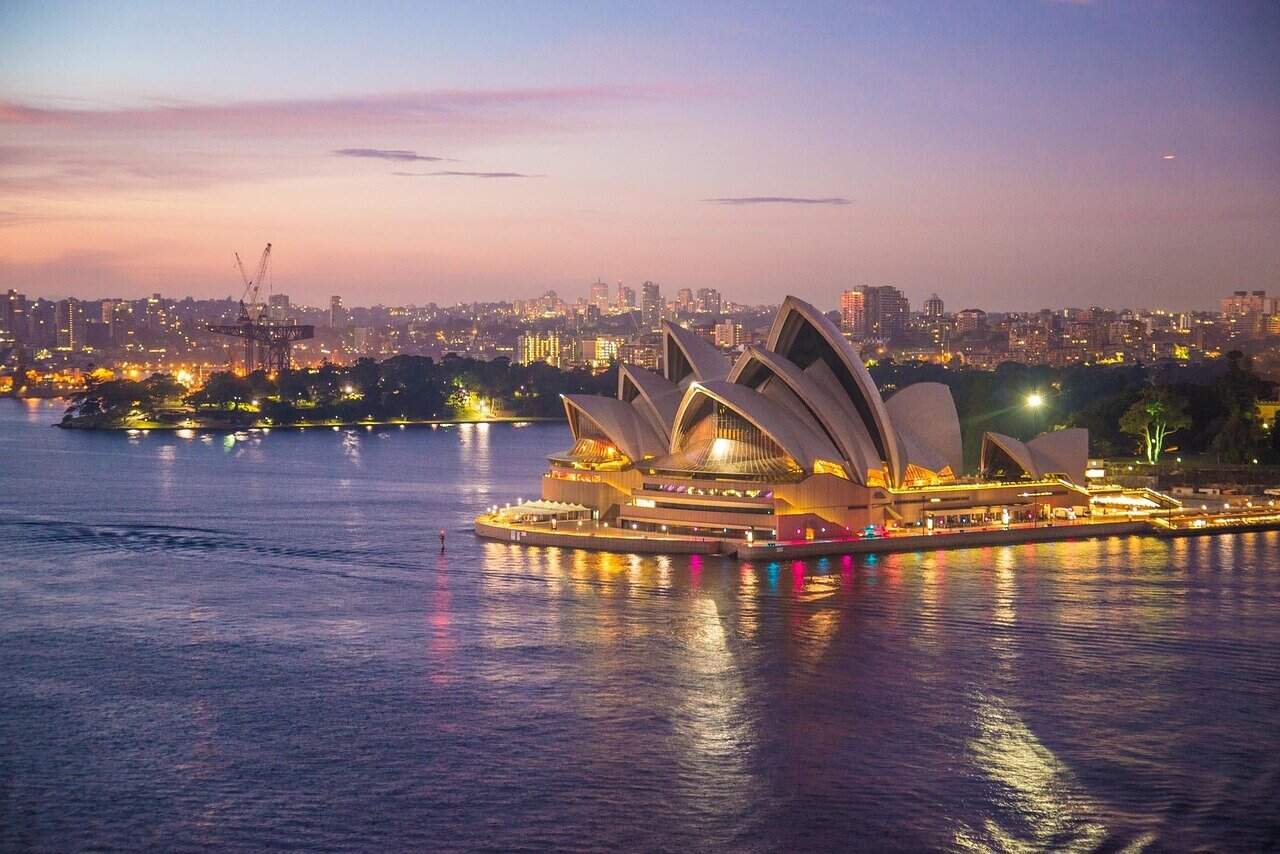
Whether it’s quantum technology or AI, Sydney leads the growth vision for the Southern Hemisphere. With a valuation of nearly $55 billion, Sydney commands almost two-thirds of Australia’s national venture capital.
So, what exactly works in Sydney’s favour? Well, one of the biggest advantages of the city is the Tech Central district. It’s a government-backed innovation zone spanning across a six-square-kilometre area, home to modern-day tech giants like Canva and Atlassian.
Besides, Sydney enjoys a rich ecosystem of learning and innovation given the proximity to leading universities and Australia’s most extensive STEM talent pool. With increasing government support, Sydney has become a magnet for investors and tech founders alike.
Once restricted to the software market, the startup scene in Sydney is now diversified with progressive domains, like digital health, quantum computing, and cybersecurity. Take Sydney’s Quantum Academy, for instance. The institution has transformed into a hub of excellence in next-gen computing research, while incubators like Cicada Innovations are bent towards hardware and biotech ventures.
The influx of multinational R&D labs is further contributing to enrich the startup ecosystem. As a result, spinouts and collaboration opportunities are on the rise. With high-end engineering talent and the city’s proximity to the Asia-Pacific market, leading tech investors are showing keen interest in Sydney startups to enrich the Australian startup ecosystem.
Related Articles:
10 Australian Startups In 2023 That Can Change Aussie Lifestyle
Why Australian Small Businesses Are Failing In Early Stages
At 12: How an Australian Girl Became the World’s Youngest Entrepreneur
From A Design Teacher To An Entrepreneur: A Billon Dollar Story Of “Canva”
Melbourne: Making An Impact With Deep Tech Expertise
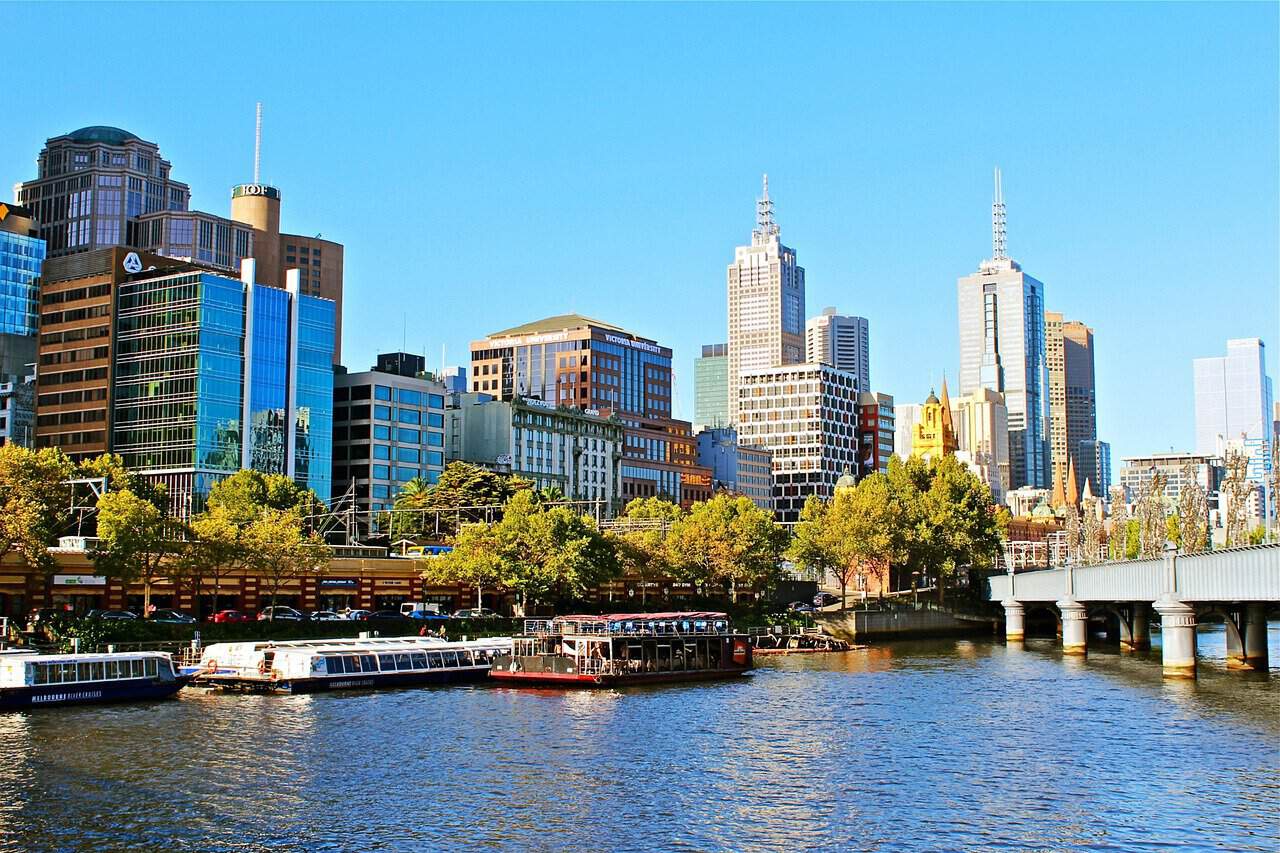
While not at par with Sydney, Melbourne is gaining solid ground with modern-day innovation. The 2025 ecosystem value of the city is approximately $18 billion, which is a seven-spot jump globally for start rankings. All credit goes to the city’s rising expertise in deep tech, advanced manufacturing and life sciences.
Similar to Sydney, Melbourne’s growth horizon is blessed with leading academic institutions and proactive support systems, such as LaunchVic and the $2 billion Breakthrough Victoria fund. Such efforts have seamlessly bridged academic research and commercialisation, standing out as ventures in biotech, clean energy, and software.
Over the past decade, Melbourne has become home to some of the most promising startups. The list includes brands like Airwallex, Culture Amp, and Seer Medical. Watch closely and you’ll see how most prominent players in Melbourne’s tech scene have their roots in university research labs and strong IP commercialisation pathways.
The Clayton innovation corridor and Parkville biomedical precinct are bustling with Australia’s most sought-after names in life sciences, pharmaceuticals, medtech, and genomics. In recent times, the city’s mRNA manufacturing capabilities and next-gen therapeutic platforms have also garnered international attention.
Taking things to the next level are Victorian government-backed VC schemes and its syndication with global firms. As expected, the initiative has channelled more capital flowing into the local deep tech investment framework. Given the successful track record of Melbourne startups, especially for securing seed funding, there will be no dearth of scaling businesses down the line.
How Deep Tech Investment Surge is Fuelling Australian Startup Ecosystem
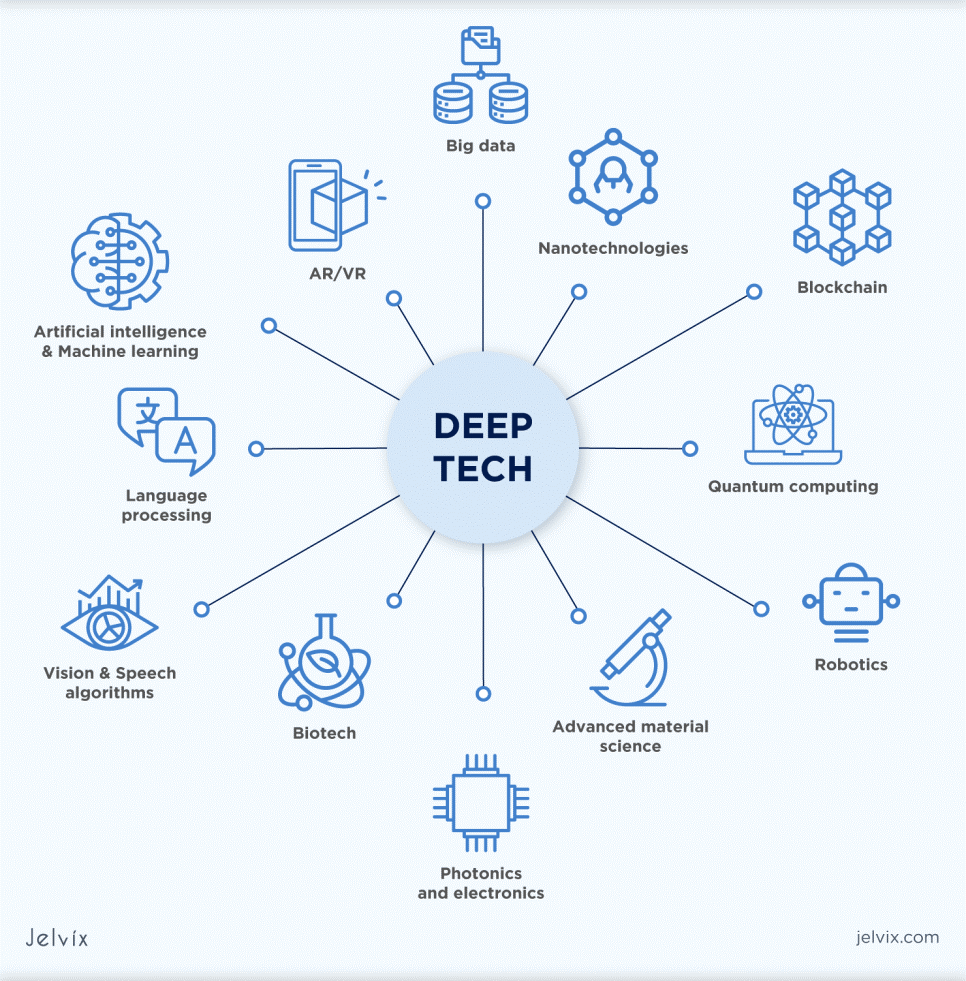
Deep tech has been guiding endless innovations in Australia across AI hardware, quantum computing, climate, and biotechnologies. In 2025, deep tech investment comprises almost 20% of global VC funding, up by 10% from a decade ago. Some of the recent, high-profile deals that reflect the momentum include:
◉ Harrison.ai reportedly raised $270 million in healthcare AI with support from the National Reconstruction Fund
◉ AdvanCell secured $270 million to advance its radiopharmaceutical cancer therapies
◉ RayGen closed a A$127 million Series D funding to scale solar and thermal energy storage systems
Another driving factor is the rise of climate-conscious investing, which is pumping more capital towards energy transition tech. This is one area that packs unique advantages for Aussie investors and founders, given the country’s access to renewable energy sources.
Supporting the big vision are venture funds, which have now partnered with industry incumbents and corporates. This, in turn, is helping Australian tech startups fast-track proof-of-concepts and pilot projects in hydrogen, battery technology, and precision agriculture.
Venture Capital Investment Trends in Australia 2025
Australia’s venture capital landscape in 2025 is a focused and mature ecosystem. For starters, we’ve had larger late-stage funding rounds, frequently exceeding A$100 million, but also closing faster. Startups with high traction are now increasingly geared towards Series B and C capital funding within weeks!
Unlike never before, the market shift is towards realising capital efficiency. As a result, founders are reeling under pressure to demonstrate product-market fit and sustainable growth. That’s why in recent years, we’ve seen fewer but more strategic, early-stage deals.
However, as the IPO window reopens, foreign investor participation is expected to rise, and exit opportunities will expand. The local startup valuations across Australia still remain 25–30% lower than their U.S. counterparts, which is a sweet spot for overseas capital seeking effective and timely deployment. Other evolving dynamics pushing the status quo for venture capital in Australia include:
◉ Superannuation funds allocating capital towards emerging sectors
◉ The rise in dual-track fundraising strategies as companies prepare for acquisition and IPO
◉ The thematic focus of Australian VCs on climate tech, AI, fintech, and healthtech for increased investor conviction
Wrap Up
So, you see, Australia’s startup ecosystem in 2025 is a tale of growth, innovation, and efficiency led by two leading cities, namely Sydney and Melbourne. While the former promises fast scaling and easy access to capital, the latter promises deep tech investment and expertise along with a rewarding network of research-led startups. Together, they set the foundation for a globally competitive startup nation.
With a culture of lean excellence, government support, and smart funding, Australia is no longer a participant in the global tech evolution but a leader in the making.