
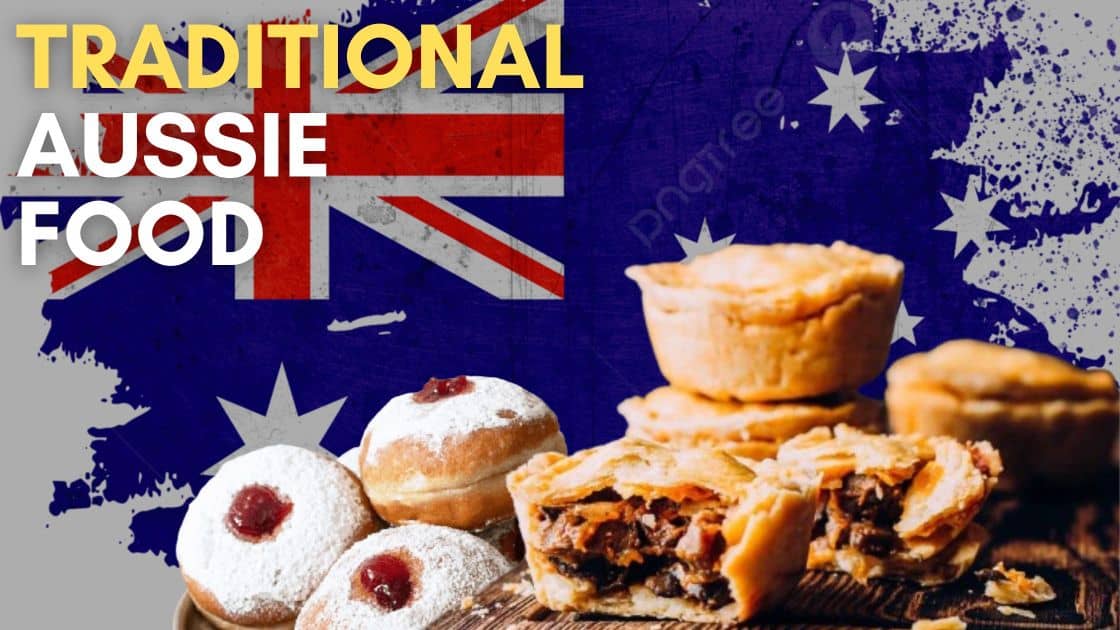
What Is Traditional Food In Australia?
So, what is traditional food in Australia? In short, it’s a blend of Indigenous bush tucker refined over more than 60,000 years and the British, European, and Asian dishes that arrived with colonisation and later waves of immigration. Ask someone to name famous Australian food and the classics come fast: meat pies, Vegemite, lamingtons, pavlova, and a snag off the barbie. But traditional foods of Australia go deeper than that tourist-friendly shortlist — they include kangaroo, emu, quandong, saltbush, and wattleseed, ingredients Aboriginal and Torres Strait Islander peoples were cooking with long before “Australian food” existed as an idea. Together, these threads make up modern Australian cuisine: relaxed, produce-driven, and shaped as much by Melbourne’s Vietnamese bakeries and Sydney’s Lebanese grills as by the Outback campfire.
Origin of Australian cuisine
From ancient culinary traditions to current flavour fusions, Australian food represents a history of adaptation, creativity, and cultural interchange. As Australians continue to celebrate their unique heritage through cuisine, they help to create a healthy eating environment that parallels the country’s natural beauty.
That history doesn’t begin with the First Fleet’s arrival in 1788 — it begins with Aboriginal and Torres Strait Islander peoples, who used native plants, seafood, and game for tens of thousands of years, making Indigenous Australian cuisine the true foundation everything else was built on.
Land Down Under is famous not just for its breathtaking scenery and distinctive species, but also for its vibrant and diversified cuisine. This large continent-country is a blending pot, influenced by everything from its long and rich history to the waves of immigration that have defined its cuisine over the ages. Australian cuisine reflects the country’s rich history, diversified society, and unique terrain.
Learning about the evolution of Australian cuisine will help you gain a deeper understanding of the cultural, geographical, and historical factors that are responsible for shaping the food culture of the country.
Food in Australia

One of the most iconic foods in Australia is the meat pie. This handheld snack or meal consists of a pastry shell filled with minced meat, most commonly beef, and savoury gravy. It is often enjoyed at sporting events or as a quick and satisfying lunch option.
Meat pies remain one of the most recognisable traditional Australian food items today, sold everywhere from servos and school canteens to stadium kiosks on grand final day.
Another famous Australian food item is Vegemite. This dark, savoury spread made from yeast extract has a distinct and acquired taste. Australians often spread it on toast or use it as a flavouring in sandwiches. Vegemite has become an integral part of Australian culture and is often associated with breakfast or a quick snack.
It’s still a fixture on Australian breakfast tables in 2026, and it makes regular cameos in modern Australian cuisine — folded into gravies, glazes, and even cheese scrolls.
Australia also boasts unique desserts like lamington. These sponge cakes are cut into squares, dipped in chocolate icing, and then rolled in desiccated coconut. The result is a delightful treat with a chocolatey and coconutty flavour, often enjoyed with a cup of tea or coffee.
Here are some key elements of Australian cuisines:
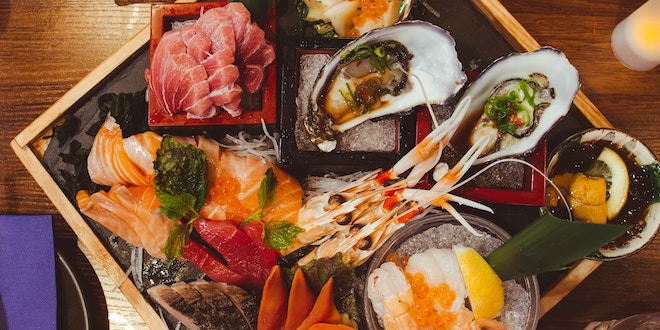
Image Credit: https://travelforfoodhub.com/australian-culinary-tradition/
Meat: Australia is known for its high-quality meats, particularly beef and lamb. The tradition of barbecuing is a significant part of Australian culinary culture. Sausages and steak are commonly grilled, and outdoor gatherings often feature barbecue feasts.
Seafood: Given its extensive coastline, seafood is a prominent feature of Australian dishes. Popular choices include prawns (shrimp), barramundi, Tasmanian salmon, and various types of shellfish. Fish and chips, a British import, are also a beloved classic.
Vegemite: A quintessential Australian food item, Vegemite is a dark, savoury spread made from yeast extract. It’s often spread on buttered toast or used in sandwiches. It has a strong and acquired taste that is an iconic part of Australian breakfasts.
Modern Australian Cuisine: In recent years, famous Australian chefs have been redefining cuisines by incorporating indigenous ingredients and culinary techniques into contemporary dishes. This movement has brought a fusion of traditional and modern elements to the forefront of Australian gastronomy.
Kangaroo meat: kangaroo meat is lean and packed with protein. It can be grilled, fried in a skillet, or used in stews and stir-fries among other preparation methods.
Chiko Roll: A popular fast food dish in Australia, the Chiko Roll is a deep-fried savoury roll packed with meat and veggies.
Tim Tams: Two layers of chocolate cream filling are sandwiched between chocolate biscuits to make these chocolate-covered biscuits. With a cup of tea or coffee, they are frequently relished.
Barbecue: Australians enjoy grilling, especially in the summer. Sausage, burgers, steak and grilled veggies are typical BBQ fare.
Bush Tucker & Native Ingredients: Quandong, Kakadu plum, lemon myrtle, wattleseed, and saltbush are increasingly common on menus from casual cafés to fine dining, reflecting Australia’s growing focus on Indigenous bush foods and native Australian foods.
Australia’s local food scene is as diverse as its vast landscapes and multicultural population. From coastal seafood delicacies to bush tucker inspired by Indigenous traditions, Australian local cuisine offers a unique culinary experience that showcases the country’s rich cultural heritage and natural resources.
Tasmania’s cool-water seafood, Queensland’s tropical barramundi, and the Northern Territory’s mud crab all show how Australian local food shifts by region, rather than following one single national menu.
One of the highlights of local food in Australia is the fresh seafood. With its extensive coastline, Australia is home to a wide variety of fish and shellfish. From succulent prawns and delicate oysters to flavorful barramundi and Tasmanian salmon, seafood lovers can indulge in the bounty of the ocean. Whether enjoyed in a fish and chips shop by the beach or at a fine dining restaurant, Australian seafood is renowned for its quality and freshness.
Evolution of Australian cuisine
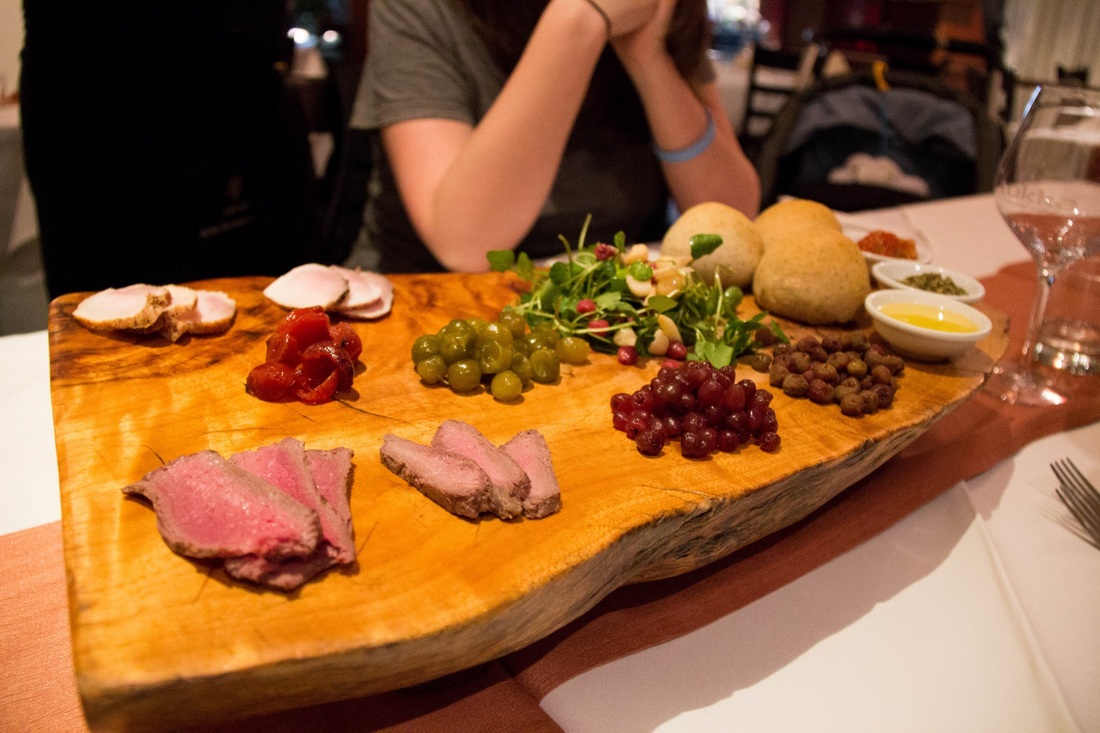 Image Credit: https://9foodies.weebly.com/evolution-of-australian-cuisine.html
Aboriginal and Torres Strait Islander peoples have had a deep grasp of the land and its resources for over 60,000 years, utilising native foods such as kangaroo, emu, bush tomatoes, yams, and numerous bush herbs and spices. These ingredients were traditionally used in culinary methods such as earth oven baking, smoking, and foraging. Indigenous food practices have had a significant impact on the present Australian dishes, leading to a greater appreciation and integration of indigenous foods.
The evolution of Australian food has been an enthralling journey, shaped by an abundance of historical, cultural, and environmental influences. From its Indigenous beginnings, Australian cultural food has developed over time, embracing new flavours and ingredients.
Today, that evolution keeps moving. Multicultural food culture — from Vietnamese bakeries to Lebanese grills and Greek souvlaki bars — sits comfortably alongside colonial-era classics. Sustainability is reshaping menus too, with chefs favouring native, low-impact ingredients like saltbush and finger lime over imported produce, while diners pay closer attention to where their kangaroo, barramundi, and beef actually come from.
The Native Australian food encompasses a diverse range of ingredients that were used traditionally by indigenous Australian people for a thousand years. Along with a unique flavour these foods have great nutritional properties. A lot of food in Australia represents the culinary traditions and dishes that are passed down through generations, which have a cultural and historical impact.
Related Articles:
10 Classic Aussie Dishes You Need to Try
How Australia’s Native Ingredients Taste
5 Christmas Recipes You Must Try This Year
Kitchen Mavericks: 10 Australian Chefs Who Are Reinventing Local Flavours
Traditional Australian foods include the following:
Damper:
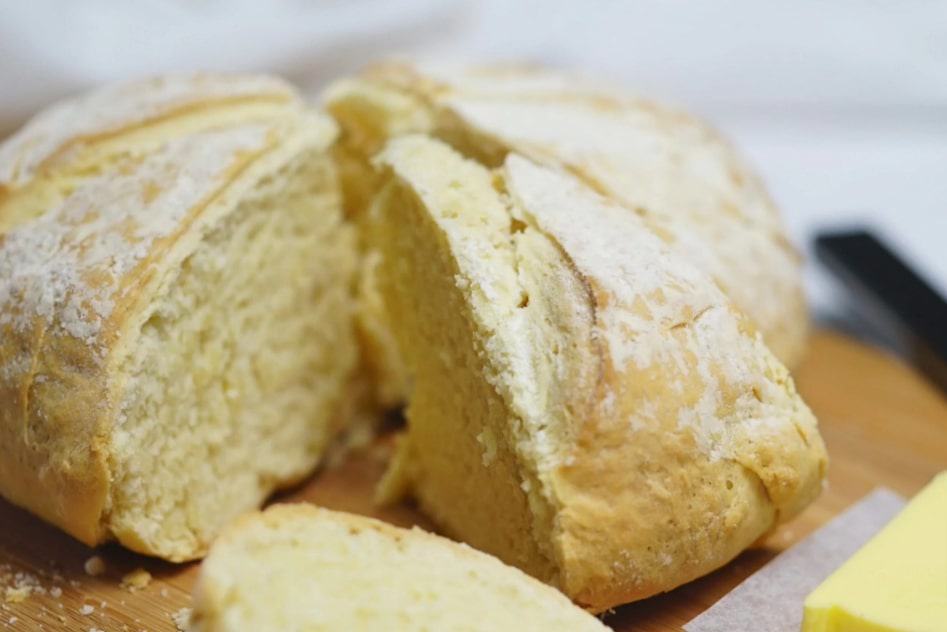
Damper is a basic bread baked in the Australian bush by European settlers and drovers. It is produced using simple components such as flour, water, and occasionally milk or butter. The dough is traditionally cooked over an open fire or in a camp oven, yielding dense and crusty bread.
Damper’s technique echoes far older Indigenous bread-making traditions — Aboriginal peoples ground native grass seeds and yams into flour long before European settlers arrived, a practice many food historians now credit as damper’s true precursor. You’ll still find damper served at Outback stations, shearing sheds, and country pubs across regional Australia today.
Grilled Kangaroo Meat:
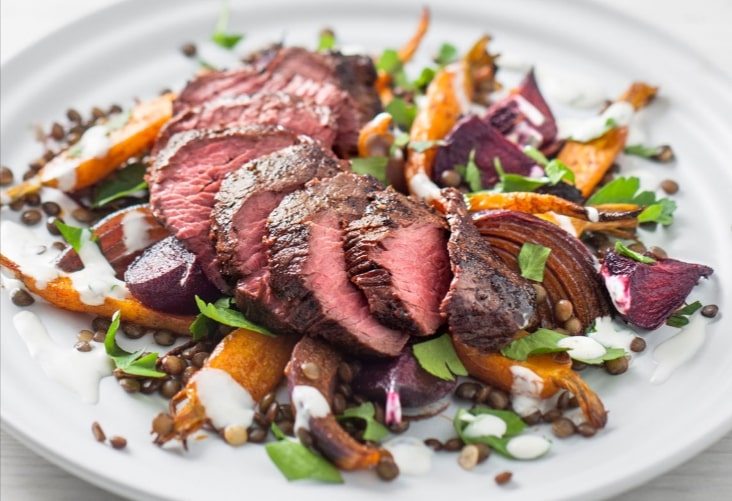
For thousands of years, Indigenous Australians have consumed kangaroo meat. It is a lean and gamey meat that may be served in a variety of ways, including grilling, roasting, and being used as mince in meals such as kangaroo burgers. Kangaroo meat has gained prominence as a sustainable meat choice due to its nutritional content.
Kangaroo remains widely available in Australian supermarkets and on restaurant menus nationwide, particularly across the Outback and rural regions, where it’s prized as a lean, sustainable alternative to beef.
Barramundi:
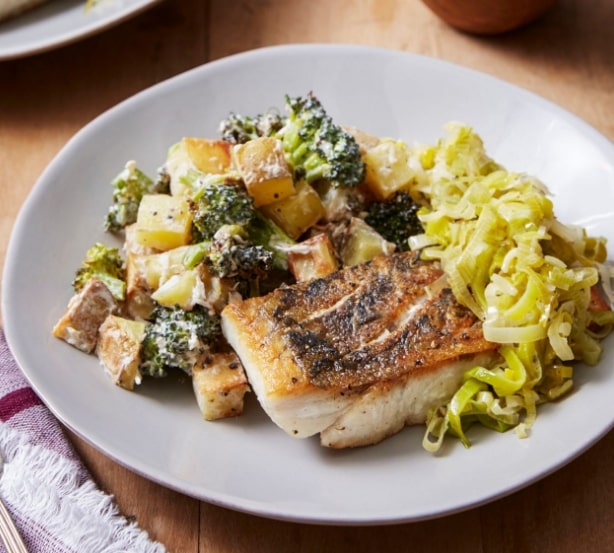
Barramundi is a well-liked fish that comes under the traditional food of Australia. It has a delicate flavour and crisp white flesh. Barramundi is frequently eaten with fresh vegetables or a citrus sauce and can be prepared in a variety of ways, such as grilling, baking, or pan-frying.
Barramundi is especially associated with Queensland, the Northern Territory, and Western Australia’s tropical waters, where it’s both caught wild and farmed for local plates and export markets.
Australian Bush Tea:
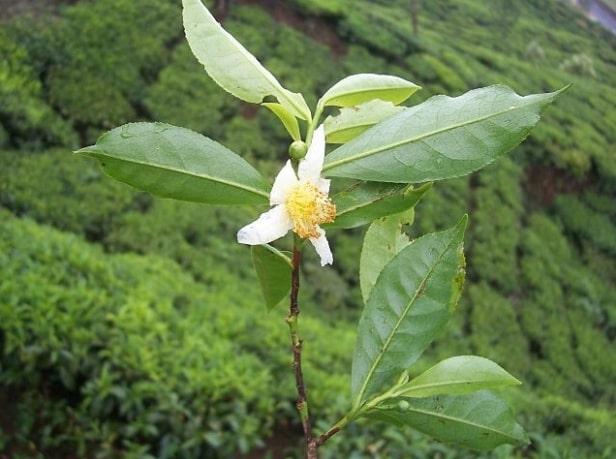
It is traditionally made using the Billy Tea method. It entails adding loose tea leaves to boiling water in a billy can, a small, lightweight metal container. After being prepared over a campfire, the tea is frequently paired with damper or other wild edibles. For indigenous communities, it holds cultural significance and is used for medicinal and nutritional benefits as well.
Billy tea is still brewed at outback stations, campgrounds, and tourism experiences across regional Australia, and it remains a point of pride in bush cooking demonstrations today.
Pavlova:

The origin of pavlova is one of the longest-running food arguments in the Southern Hemisphere, and recent research has only made it messier—in a good way. Australia and New Zealand have each claimed the dessert as their own for decades: Australians point to a 1935 recipe from German-born chef Herbert Sachse at Perth’s Esplanade Hotel, while New Zealanders cite earlier meringue-cake recipes in their own cookbooks and a 1927 entry cited by the Oxford English Dictionary. Food historians Andrew Paul Wood and Annabelle Utrecht have since traced meringue-based desserts back even further, to 19th-century American cornstarch advertising that reached both countries — suggesting neither nation technically invented pavlova, but both refined and popularised it. Whoever gets the credit, pavlova remains a fixture of Australian celebrations, especially at Christmas, piled high with cream and passionfruit, strawberries, or a modern twist of native Davidson plum.
Meat Pies:

Australians are meat lovers, and they are always on the lookout for meat-filled dishes to satisfy their cravings. To satisfy their hunger, they have come up with new dishes, and meat pie is one of them, which is a popular Australian food. This traditional food comes with different types of fillings, and the most basic ones include potatoes, mushrooms, meat, and onions that can please your taste buds and keep you satisfied. Meat pies are enjoyed with drinks, and these are often spotted on plates during dinner and lunch.
Meat pies are still considered one of the most iconic Australian dishes, with servos, bakeries, and footy stadiums selling millions of them every year.
Fish and Chips:
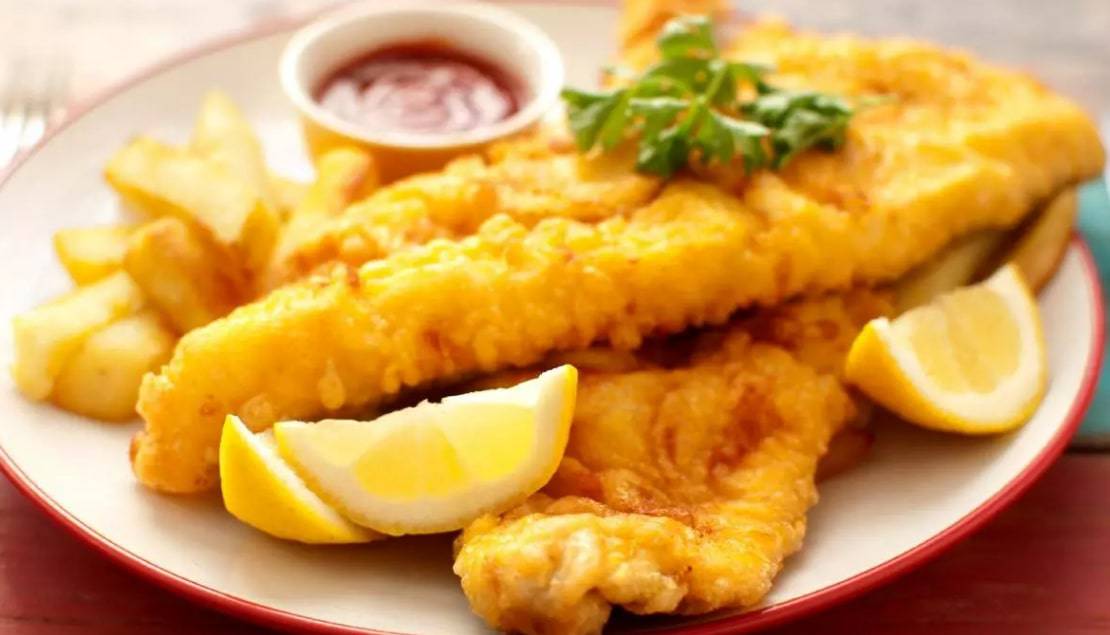
Fish and chips arrived in Australia as a British import, brought over by immigrants in the late 1800s and quickly adapted to local seafood. Freshly battered barramundi, flake, or snapper served with a mountain of hot chips is now a beachside staple from Sydney’s Bondi to Perth’s Cottesloe, especially on a Friday night. It’s less a single recipe than a ritual — eaten straight from the paper, dashed with vinegar, and ideally with a view of the ocean.
Lamington:

Lamington is a classic Australian dessert that has a rich cultural history, and its origin is somewhat debated. The history of Lamington is quite interesting, where a cook at the government house accidentally dropped sponge cake pieces into chocolate and then coated them with desiccated coconut so cake wastage could be avoided. Lord Lamington enjoyed the pieces, and hence the dessert was named in honour of him.
There are other stories behind the dish’s origin too, including a rival claim from Victoria. What’s certain is that lamington has been a national favourite for over a century: the first known printed recipe appeared in the Queensland Country Life newspaper in December 1900, and July 21st has been formally celebrated as National Lamington Day across Australia since 2006, with bakeries, schools, and “lamington drives” marking the occasion nationwide.
Barbeque Snags:
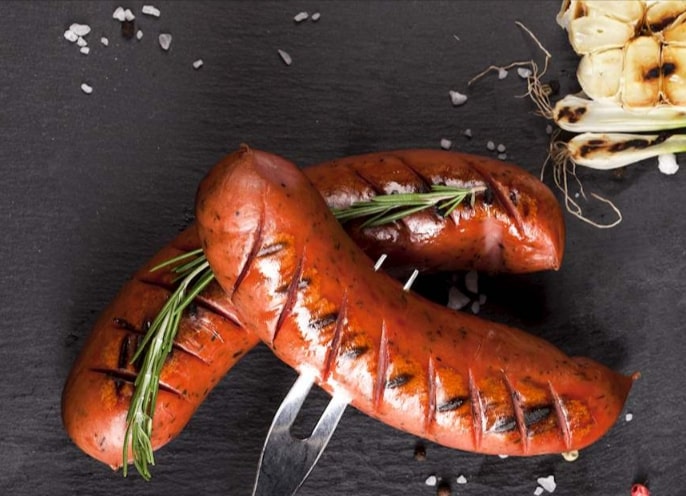
Barbeque snags are a short form of barbeque sausages which have a special place in Australian culinary culture and are associated with social events, outside gatherings, etc. It has been a significant part of the Aussie lifestyle and the cultural history is related to the evolution of outdoor cooking practices, immigration history, and the colonial past of Australia. Sausages were a convenient and hearty choice of food that could be cooked easily on the open flame and they also represent a laid-back and convivial culture of Australia.
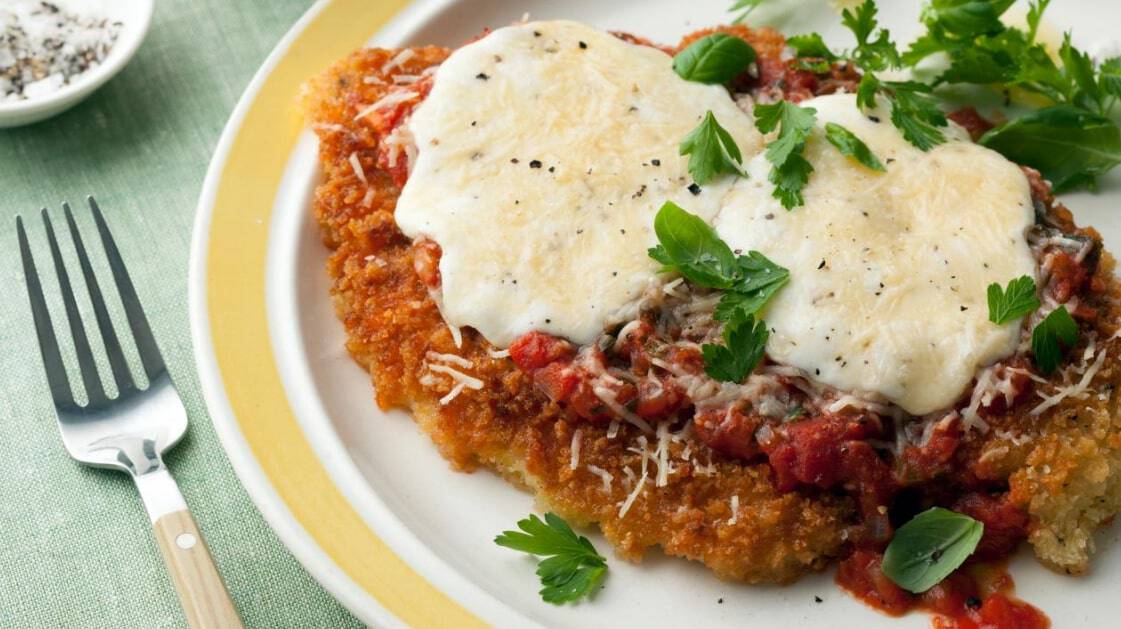
Chicken Parmigiana is an iconic dish that evolved from Italian American culinary traditions, and now it has made its way onto the menus of Australians. Australians like this dish, and it is common in the country’s pub culture. The journey of this dish from Italian immigrant communities to Australian pubs manifests how food can transcend cultural boundaries and be a vital part of local culinary landscapes. It is often served with pasta and is a satisfying dish for those who enjoy the flavours of melted cheese and tomato sauce.
The “parmy” is a good example of Australia’s multicultural food culture in action: a European immigrant dish reshaped by pub kitchens into something distinctly Australian, still going strong on menus nationwide in 2026.
How Australian Food Culture Keeps Evolving
Traditional Australian food isn’t frozen in time. Three forces are actively reshaping it: multicultural food culture, sustainability, and a renewed respect for Indigenous ingredients. Post-war migration from Italy, Greece, and Malta first pushed Australian cuisine beyond British staples; later arrivals from Vietnam, Lebanon, China, and India layered in banh mi, kebabs, dumplings, and curries that are now considered everyday Australian eating rather than “foreign” food. At the same time, chefs are turning back to the land itself — pairing kangaroo with bush tomato, roasting barramundi with lemon myrtle, or finishing a pavlova with wattleseed and Davidson plum instead of imported berries. Sustainability sits underneath all of it: native plants are naturally suited to Australia’s climate, need less water and intervention than imported crops, and give restaurants a genuinely local story to tell.
Native Australian food
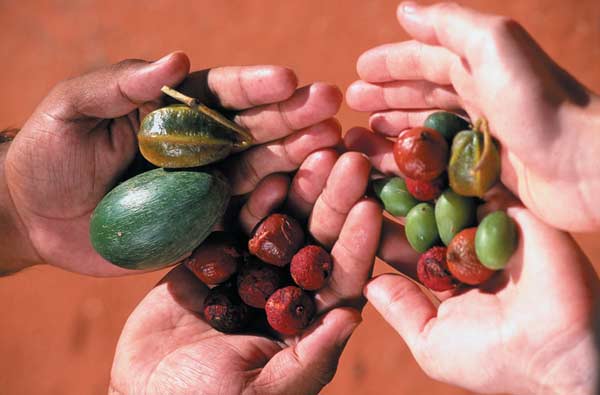
Image Credit: https://en.wikipedia.org/wiki/Bush_tucker
Native Australian Food (Bush Tucker)
After traditional cuisine, there is Australia’s native cuisine. Native Australian food, often referred to as “bush tucker,” encompasses unique plants and animals. These foods have sustained Aboriginal and Torres Strait Islander communities for thousands of years and are now gaining recognition in modern Australian cuisine due to their distinctive flavours and nutritional benefits.
Bush tucker covers an enormous pantry: quandong, Kakadu plum (prized for its exceptionally high vitamin C content), finger lime, lemon myrtle, wattleseed, saltbush, and native yams, alongside kangaroo, emu, and witchetty grubs. Aboriginal Australians have used these native animal and plant foods for an estimated 60,000 years, and in the past decade, leading chefs across Melbourne, Sydney, Perth, and the Northern Territory have moved native ingredients from niche bush-tucker menus into everyday fine dining. There is a growing push to make sure Aboriginal-owned businesses and Traditional Owners benefit directly from this demand, rather than being left out of the industry their knowledge created.
Whether you’re exploring the tangy delights of native fruits like quandong and finger lime, savouring the lean and flavorful kangaroo and emu meats, or indulging in beloved classics like meat pies and Vegemite toast, Australia’s culinary landscape offers an enticing culinary journey for food lovers, a testament to its cultural heritage and innovation.
Quick Reference: Iconic Traditional Australian Foods at a Glance
| Dish | Origin / History | Region | Status Today |
|---|---|---|---|
| Meat Pie | British-style pastry, adapted locally | Nationwide | Everyday staple |
| Vegemite | Australian invention, Melbourne, 1920s | Nationwide | Breakfast icon |
| Lamington | Queensland, late 1800s–1900s | Queensland / nationwide | Bakery classic |
| Pavlova | Disputed AU/NZ origin, 1920s–30s | Nationwide | Christmas favourite |
| Damper | European settler bread, Indigenous grain-grinding roots | Outback / regional | Campfire tradition |
| Kangaroo | Indigenous, 60,000+ years | Nationwide, esp. Outback | Growing, sustainable choice |
| Barramundi | Indigenous coastal & river food | QLD / NT / WA | Popular seafood |
| Chicken Parmigiana | Italian-Australian, pub culture | Nationwide | Pub staple |
| Bush Tucker (native ingredients) | Indigenous, 60,000+ years | Nationwide, fine dining | Rapidly growing |
Final Thoughts
Thank you for showing an interest in Aussie food and wanting to learn more! Due to its diversified population and abundance of premium ingredients, Australia has developed a distinctive culinary culture. It does not matter whether you prefer fusion cuisine, traditional Australian cooking, or international flavors; you will always find something that appeals to you in Australia.
From 60,000-year-old bush tucker to the newest wattleseed-and-quandong dessert on a Melbourne tasting menu, traditional foods of Australia keep telling the same story: a country that eats its history, adapts it, and keeps adding new chapters.
Frequently Asked Questions
What is the most traditional food in Australia?
Meat pies are often named the most traditional food in Australia, alongside Vegemite on toast, lamingtons, and pavlova. But the deepest layer of tradition is Indigenous bush tucker — kangaroo, quandong, and native yams — eaten by Aboriginal and Torres Strait Islander peoples for more than 60,000 years, long before colonial dishes arrived.
What foods are unique to Australia?
Lamingtons, Vegemite, Chiko Rolls, and Tim Tams are largely unique to Australia, alongside native bush foods like quandong, finger lime, and witchetty grubs found nowhere else in the world. Kangaroo and emu meat, sourced from animals endemic to the continent, also set Australian food firmly apart from other Western cuisines.
What is bush tucker?
Bush tucker is the umbrella term for native Australian foods — plants, animals, and fungi — that Aboriginal and Torres Strait Islander peoples have used for food and medicine for over 60,000 years. It includes kangaroo, emu, quandong, Kakadu plum, lemon myrtle, and witchetty grubs, and it’s increasingly featured on modern Australian restaurant menus.
What is Australia’s national dish?
Australia has no single official national dish, though the meat pie is the most commonly cited unofficial favourite, alongside contenders like the barbecue snag, pavlova, and Vegemite on toast. Some food historians argue Indigenous bush tucker, given its 60,000-year history, has the strongest claim to being Australia’s true national food.
How has Australian cuisine changed over time?
Australian cuisine began with Indigenous bush tucker, absorbed British staples after colonisation, then diversified through post-war immigration from Italy, Greece, and later Vietnam, Lebanon, and China. Today it’s evolving again, blending multicultural influences with native ingredients like saltbush and wattleseed, alongside a much stronger focus on sustainability.