Preparing for laser vision correction requires understanding your eye condition, discussing suitable treatment options, and following your surgeon’s instructions. If you have astigmatism, preparing for LASIK eye surgery in Sydney involves additional considerations because the shape of your cornea affects how light enters your eye and focuses on the retina. A thorough assessment helps determine whether LASIK is appropriate and what steps you should take before the procedure.
Astigmatism is a common refractive error that occurs when the cornea or lens has an irregular curvature. Instead of focusing light evenly, the eye may produce blurred or distorted vision at different distances. Laser vision correction can address certain types of astigmatism, but not everyone is suitable for the same procedure.
For people living in Sydney, preparing for surgery involves attending a comprehensive eye examination, understanding the treatment process, reviewing potential risks, and organising time for recovery. The following guide explains the main steps to help you prepare for a consultation and make informed decisions about your eye care.
1. Understand How Astigmatism Affects Your Vision
Before considering LASIK, it is useful to understand how astigmatism affects your eyesight. The condition occurs when the cornea or lens has an uneven shape, causing light to focus at more than one point rather than forming a single clear image on the retina.
Recognise Common Symptoms
Astigmatism can cause several vision-related symptoms, including:
- Blurred or distorted vision at near and far distances
- Difficulty seeing clearly at night
- Eyestrain when reading or using digital screens
- Headaches after prolonged visual activities
- Squinting to improve focus
The severity of symptoms varies. Some people have mild astigmatism and may not notice significant problems, while others require prescription glasses or contact lenses for clearer vision.
Understand Your Prescription
Your optometrist or ophthalmologist can explain your prescription and the degree of astigmatism identified during an eye examination. Understanding these details helps you discuss possible treatment options and whether laser vision correction may be suitable.
Your prescription is only one part of the assessment. Corneal thickness, corneal shape, eye health, and prescription stability also influence treatment suitability.
2. Schedule a Comprehensive Eye Examination
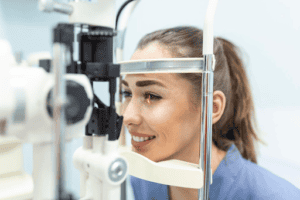
A detailed eye examination is one of the most important preparation steps. It allows the ophthalmologist to assess your eyes and determine whether LASIK is an appropriate option.
Check Your Corneal Shape and Thickness
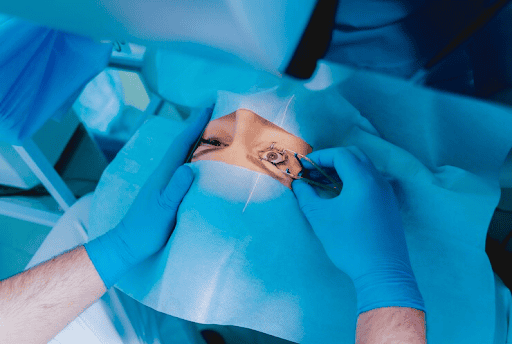
LASIK involves creating a thin flap in the cornea before using a laser to reshape the underlying tissue. For this reason, the surgeon needs to assess the cornea’s thickness and shape.
Corneal mapping, also known as corneal topography or tomography, can help identify irregularities that may affect treatment planning. These measurements are particularly important when assessing patients with astigmatism.
Review Your General Eye Health
The assessment may also include checking for dry eye, glaucoma, cataracts, retinal conditions, and other issues that could influence the procedure or recovery.
Your surgeon may ask about previous eye treatments, current medications, existing medical conditions, and any history of eye injuries.
Discuss Prescription Stability
A stable prescription is generally important when assessing eligibility for laser vision correction. If your prescription has changed recently, your surgeon may recommend waiting until it becomes more stable before proceeding.
3. Discuss Whether LASIK Is Suitable for Your Astigmatism
Not everyone with astigmatism is suitable for LASIK. The decision depends on several factors, including the type and degree of astigmatism, corneal measurements, overall eye health, and prescription stability.
Ask About Your Treatment Options
During your consultation, ask your ophthalmologist which procedures may be appropriate for your eyes. LASIK is one option, but other laser vision correction procedures may be considered depending on your clinical assessment.
Your surgeon should explain the differences between available treatments, including their suitability, potential benefits, limitations, and recovery requirements.
Understand Potential Risks and Limitations
Although laser vision correction is commonly performed, it is still surgery and carries potential risks. These may include dry eyes, glare, halos around lights, undercorrection, overcorrection, and changes in visual quality.
Some patients may continue to require glasses for particular activities after surgery. Your ophthalmologist should explain the possible outcomes based on your individual assessment rather than promising perfect vision.
4. Follow Your Surgeon’s Instructions Before Surgery
Once your treatment has been planned, your clinic will provide specific instructions to help you prepare. Following these directions is important for obtaining accurate measurements and reducing avoidable complications.
Stop Wearing Contact Lenses When Advised
Contact lenses can temporarily alter the shape of the cornea, which may affect the accuracy of preoperative measurements.
Your surgeon may ask you to stop wearing contact lenses for a period before your assessment or procedure. The recommended timeframe depends on whether you wear soft, rigid gas-permeable, or other types of lenses.
Do not decide on the timeframe yourself. Follow the instructions provided by your eye care team.
Review Your Medications and Medical History
Tell your surgeon about all medications, supplements, and eye drops you use. Mention any allergies, previous eye procedures, or medical conditions that could affect your treatment.
Do not stop prescribed medication unless your treating doctor specifically advises you to do so.
Follow Eye Hygiene Recommendations
Your clinic may provide instructions about cleaning your eyelids and avoiding eye makeup before surgery. Following these directions can help reduce the risk of irritation or contamination around the eyes.
5. Explore Other Astigmatism Treatment Options
LASIK is not the only option available for people with astigmatism. Depending on your eye measurements and clinical needs, your ophthalmologist may discuss other approaches.
For patients researching astigmatism treatments in Sydney, it is important to understand that treatment selection should be based on a comprehensive assessment rather than symptoms or prescription strength alone.
Compare Available Laser Procedures
Different laser vision correction procedures use different techniques to reshape the cornea. LASIK involves creating a corneal flap, while procedures such as PRK and TransPRK reshape the cornea’s surface without creating the same type of flap.
Each procedure has different eligibility requirements, recovery experiences, and potential risks. Your ophthalmologist can explain which option may be appropriate for your circumstances.
Discuss Non-Surgical Options
Glasses and contact lenses remain effective ways to correct astigmatism. Some patients may prefer these options, particularly if they are not suitable candidates for surgery or do not want to undergo a surgical procedure.
The goal of your consultation should be to understand the available options and choose an approach that supports your eye health and visual needs.
6. Prepare for the Day of Your LASIK Procedure
Once your surgeon confirms your eligibility and schedules your procedure, organise the practical details in advance.
Arrange Transport
You should not drive yourself home immediately after LASIK. Your vision may be blurry or fluctuate during the initial recovery period.
Arrange for a family member, friend, or another suitable person to take you home after the procedure. Follow your clinic’s instructions about when it is safe to resume driving.
Avoid Eye Makeup and Follow Clinic Instructions
Your clinic may ask you to avoid eye makeup, creams, perfumes, or certain skincare products on the day of surgery. Follow the specific instructions provided by your surgical team.
Wear comfortable clothing and arrive at the clinic at the recommended time.
Organise Your Recovery Schedule
Although many patients return to some normal activities relatively soon, your eyes still need time to recover. Avoid scheduling demanding activities immediately after surgery.
If possible, arrange time away from work, particularly if your job involves prolonged screen use, driving, physical activity, or exposure to dust.
7. Know What to Expect During Recovery
Understanding the recovery process can help you plan your schedule and recognise when to contact your clinic.
Follow Your Postoperative Eye Drop Schedule
Your surgeon may prescribe antibiotic or anti-inflammatory eye drops and recommend lubricating drops. Use them according to the instructions provided.
Avoid rubbing or pressing your eyes, particularly during the early recovery period. Your clinic may also recommend protective eye shields while sleeping.
Limit Activities During Initial Recovery
Your ophthalmologist will explain when you can return to work, exercise, swimming, and other activities. These recommendations vary depending on the procedure and your individual recovery.
Follow-up appointments are important because they allow your surgeon to monitor healing and assess your vision.
Contact Your Clinic if You Notice Concerning Symptoms
Some temporary discomfort, dryness, or fluctuating vision may occur after laser vision correction. However, severe pain, sudden changes in vision, increasing redness, or other unexpected symptoms should be reported to your eye care team promptly.
Do not wait for a routine appointment if you experience symptoms that concern you.
8. Prepare Questions for Your Ophthalmologist
A consultation is an opportunity to understand the procedure and make an informed decision. Preparing questions beforehand can help you cover the details that matter most.
Consider asking:
- Am I a suitable candidate for LASIK with my current level of astigmatism?
- Are there other procedures that may be more appropriate?
- What tests are required before treatment?
- What are the possible risks and limitations in my case?
- How long should I avoid contact lenses before surgery?
- What should I expect during the first few days of recovery?
- When can I return to work, exercise, and driving?
- How many follow-up appointments will I need?
Your surgeon should provide clear answers and explain any uncertainties before you agree to treatment.
Conclusion
Preparing for LASIK when you have astigmatism involves more than arranging a surgery date. It requires understanding your prescription, attending a comprehensive eye examination, assessing your suitability, and following your surgeon’s instructions before and after treatment.
People in Sydney should discuss their individual circumstances with a qualified ophthalmologist before deciding on laser vision correction. Corneal measurements, prescription stability, general eye health, and lifestyle requirements all contribute to determining an appropriate treatment approach.
By preparing questions, organising transport, following preoperative instructions, and allowing time for recovery, you can approach your consultation with a clearer understanding of the process. Most importantly, make treatment decisions based on professional medical advice and a realistic understanding of the potential benefits and risks.